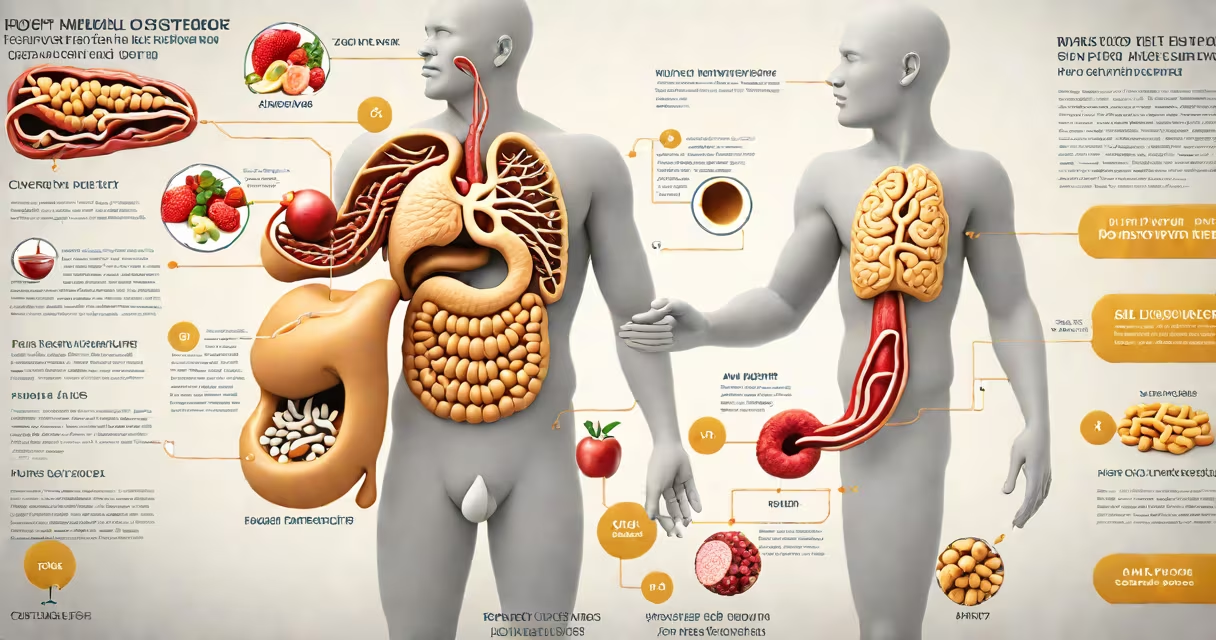
Eating triggers bowel movements because food stretches your stomach and intestines, activating nerves that stimulate digestion and defecation. This reflex, called the gastrocolic reflex, occurs within 30 minutes of eating.
The gastrocolic reflex connects your stomach and colon through the enteric nervous system. When you eat, your stomach stretches, sending signals to your colon to increase motility. This process moves waste toward the rectum, prompting the urge to defecate.
Several factors influence this reflex:
Many people confuse this reflex with other digestive processes. Unlike immediate hunger-induced urges, post-meal bowel movements typically occur 30-60 minutes after eating. The reflex is distinct from conditions causing urgent diarrhea, though similar mechanisms may be involved.
This reflex is weaker in the morning and strongest in the afternoon. A 2015 study published in Neurogastroenterology and Motility found that lunch consistently triggered stronger responses than breakfast or dinner in healthy volunteers.
While occasional post-meal bowel movements are normal, frequent or urgent episodes may indicate conditions like irritable bowel syndrome (IBS) or inflammatory bowel disease (IBD). If you experience pain, bloating, or changes in stool consistency alongside these urges, consult a healthcare provider.
For most people, this natural reflex simply means planning bathroom visits around meal times. Understanding the gastrocolic reflex can help manage expectations about normal digestive functioning. For more details on what triggers bowel movements, see our guide on what things make you poop.