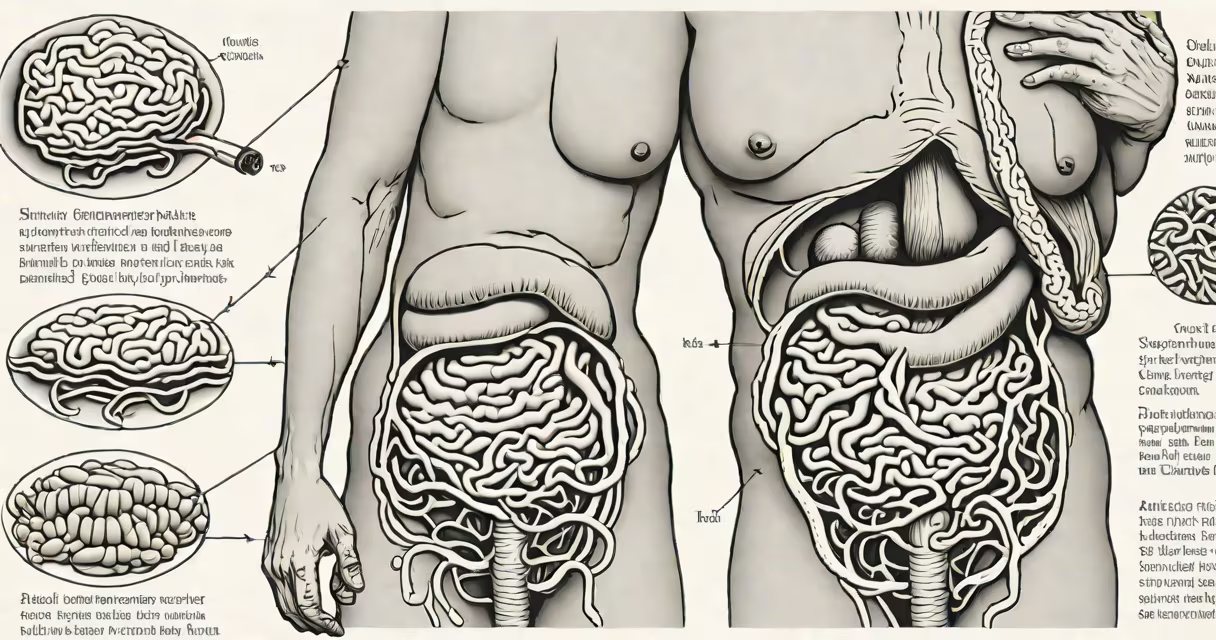
Bloating occurs when your abdomen fills with gas, air, or indigestible food, causing discomfort and swelling. This happens due to digestive issues, food intolerances, or medical conditions.
Your digestive system produces gas as it breaks down food. Normally, this gas passes through your intestines and exits your body. But if gas builds up or your digestive tract stretches, you feel bloated.
| Type | Cause | Duration |
|---|---|---|
| Mechanical bloating | Food moving too slowly through your digestive system | Hours to days |
| Gas-related bloating | Excess gas production from fermentation | Minutes to hours |
| Distention | Fluid accumulation or organ enlargement | Days to weeks |
Many foods contain fermentable carbohydrates that produce gas during digestion. Common triggers include beans, cruciferous vegetables, carbonated drinks, and artificial sweeteners. Dairy products can also cause bloating if you're lactose intolerant.
Other causes include swallowing air while eating, constipation, and hormonal changes during menstruation. Certain medications and medical conditions like irritable bowel syndrome (IBS) or small intestinal bacterial overgrowth (SIBO) may also contribute to persistent bloating.
Occasional bloating is normal, but see a doctor if you experience bloating along with weight loss, diarrhea, constipation, or abdominal pain. These symptoms could indicate a more serious condition.
Doctors diagnose the cause of bloating through physical exams, medical history reviews, and tests like blood tests, stool samples, or imaging scans. Treatment depends on the underlying cause and may include dietary changes, medication, or lifestyle adjustments.
After tracking my diet and symptoms, I noticed that dairy products worsened my bloating. Switching to lactose-free alternatives improved my comfort. I also found that eating smaller meals and chewing thoroughly helped reduce gas buildup.
If you suspect specific foods trigger your bloating, try an elimination diet under medical supervision. Keep a food diary to identify patterns and discuss your findings with a healthcare provider.