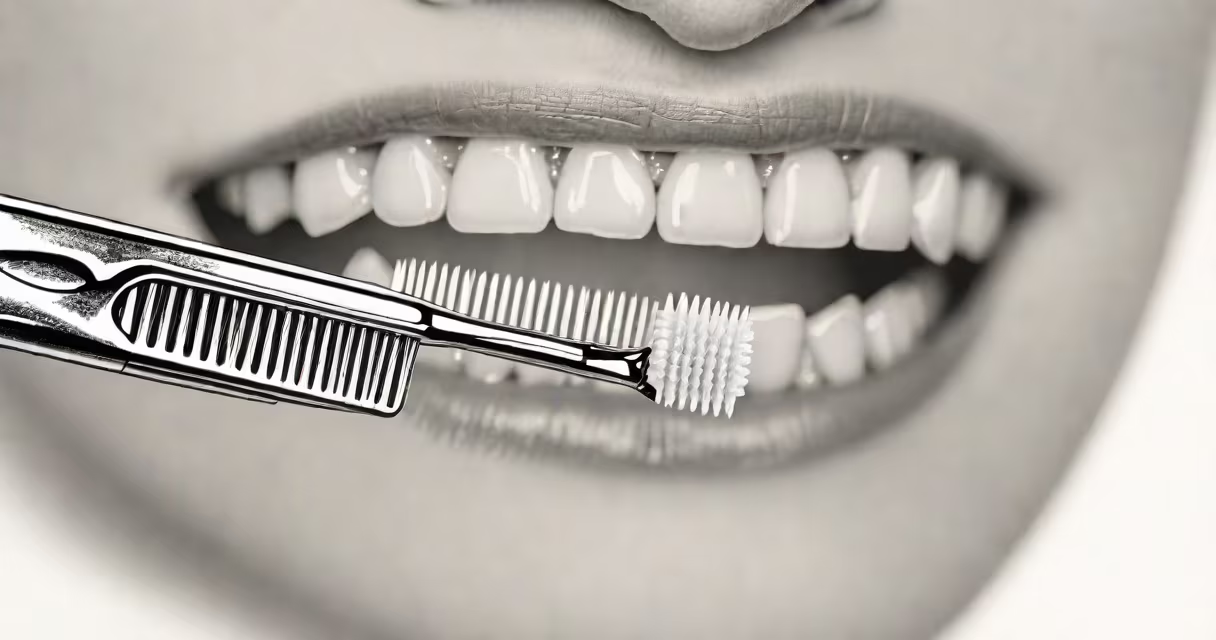
The top of your gums may hurt due to inflammation, infection, or trauma. Common causes include gum disease, aggressive brushing, or food particles irritating the gum line.
Several factors can lead to discomfort in the upper gums:
Gum pain typically results from inflammation triggered by bacteria, injury, or infection. For instance, plaque buildup leads to gingivitis, where gums become inflamed and painful. If left untreated, gingivitis can progress to periodontitis, causing more severe damage and pain.
Trauma from aggressive brushing or using improper tools can also irritate gums, making them sensitive and sore. Food particles lodged in the gum line create pressure and irritation, exacerbating discomfort.
Consult a dentist if gum pain persists for more than a week, worsens, or is accompanied by bleeding, swelling, or fever. These symptoms may indicate a serious condition requiring professional treatment.
For example, if you notice persistent pain when chewing or constant bad breath, these could be signs of advanced gum disease. A dentist can diagnose the issue and recommend appropriate treatments, such as deep cleaning or antibiotics.
To alleviate gum pain at home, try these remedies:
Last winter, I noticed the top of my gums hurting after eating cold foods. I assumed it was due to sensitivity but realized the pain persisted. After visiting my dentist, I learned I had early-stage gingivitis. Following their advice-gentle brushing, regular flossing, and using a therapeutic mouthwash-resolved the issue within weeks.