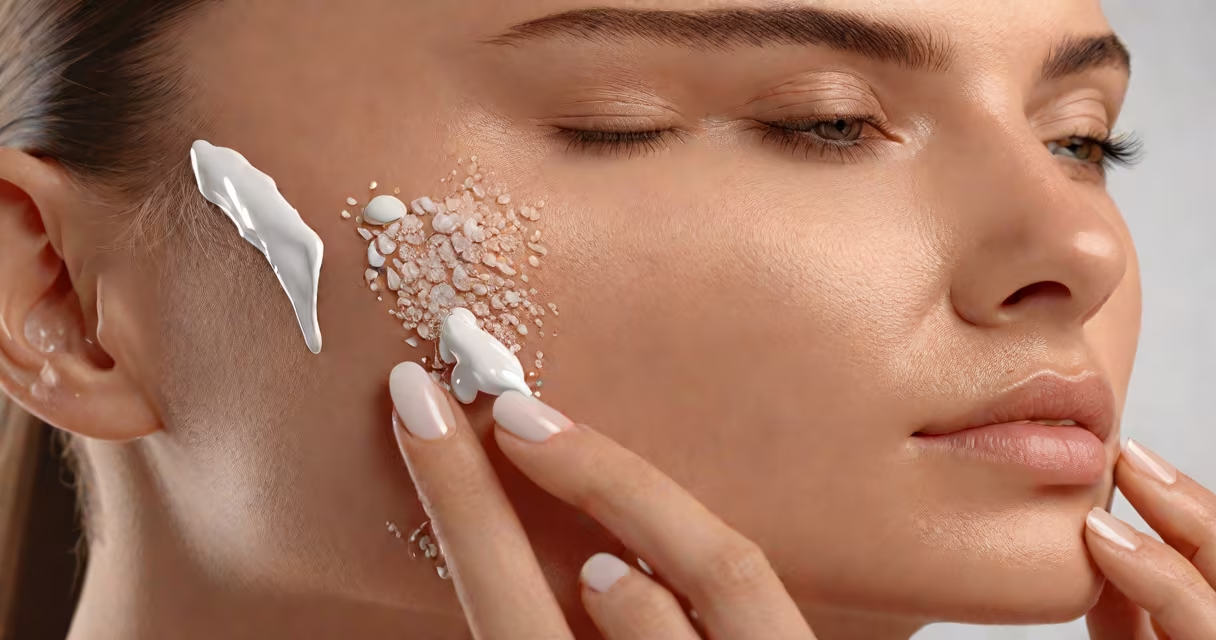
Hyaluronic acid burns your face because it draws moisture from deeper skin layers when applied to dry skin in low-humidity environments. This creates an osmotic effect that dehydrates surface cells, triggering irritation.
Hyaluronic acid is a humectant that attracts and binds water molecules. When properly hydrated, it plumps skin and reduces fine lines. However, when applied to dry skin, it pulls moisture from deeper layers, causing temporary dehydration and potential stinging.
The burning typically occurs due to:
Many people confuse this reaction with allergic responses. Unlike true allergies, which involve immune system reactions, hyaluronic acid burning is usually a temporary irritation caused by improper use rather than an immune response.
To avoid burning:
I once experienced this burning sensation during winter when I applied hyaluronic acid serum to dry skin without following up with a moisturizer. The discomfort lasted about 10 minutes before subsiding, but it taught me the importance of proper application techniques.