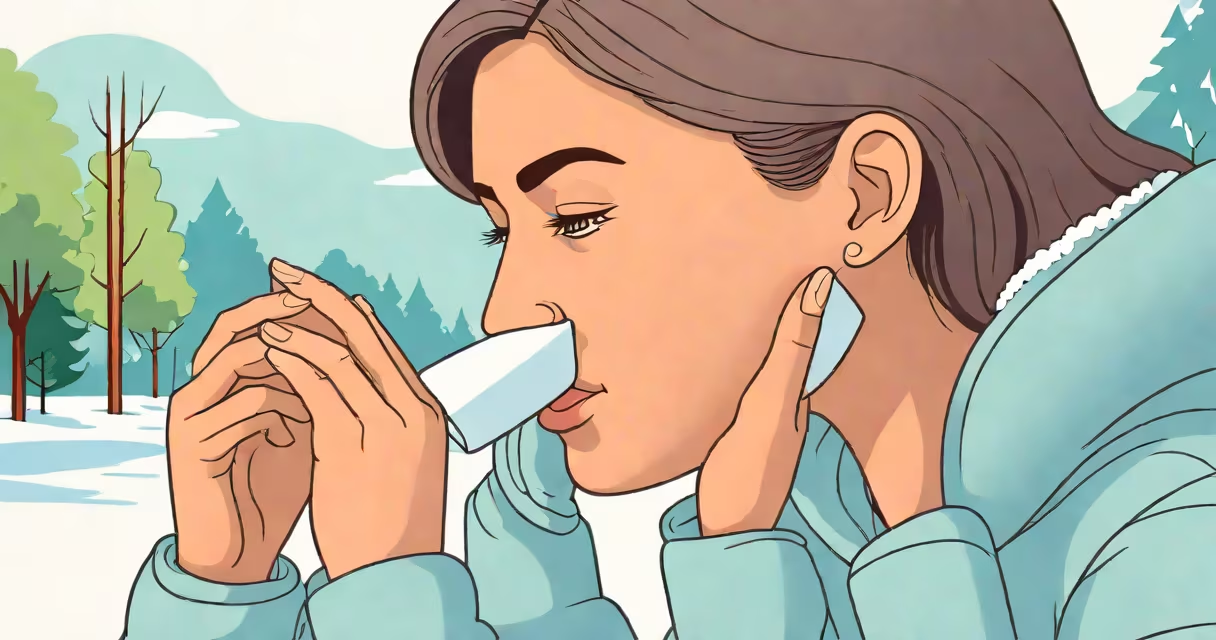
A cold nose happens when blood vessels in your nose constrict, reducing blood flow and heat loss to conserve body warmth. This often occurs in cold weather or during stress.
Your body regulates temperature through a process called thermoregulation. When you're exposed to cold temperatures, your brain signals blood vessels to narrow (vasoconstriction), which reduces blood flow to extremities like your nose, fingers, and toes. This conserves heat for your core organs, keeping them warm.
The primary causes of a cold nose include:
Many people assume a cold nose is always due to external factors like weather. However, internal factors such as stress or medical conditions can also play a significant role., some believe a cold nose is harmless, but in extreme cases, it can indicate underlying health issues.
To keep your nose warm, try these strategies:
For example, if you notice your nose gets cold during a stressful meeting, practicing deep breathing exercises might help alleviate the issue. Similarly, wearing a scarf while running in cold weather can prevent your nose from getting too cold.
If you experience a running nose without cold, it might be due to allergies or irritants rather than temperature changes. Understanding the specific causes can help you address the issue effectively.
In some cases, a cold nose might be related to other parts of your body experiencing similar issues. For instance, if your fingertips also get cold, it could indicate a circulatory problem that requires medical attention.