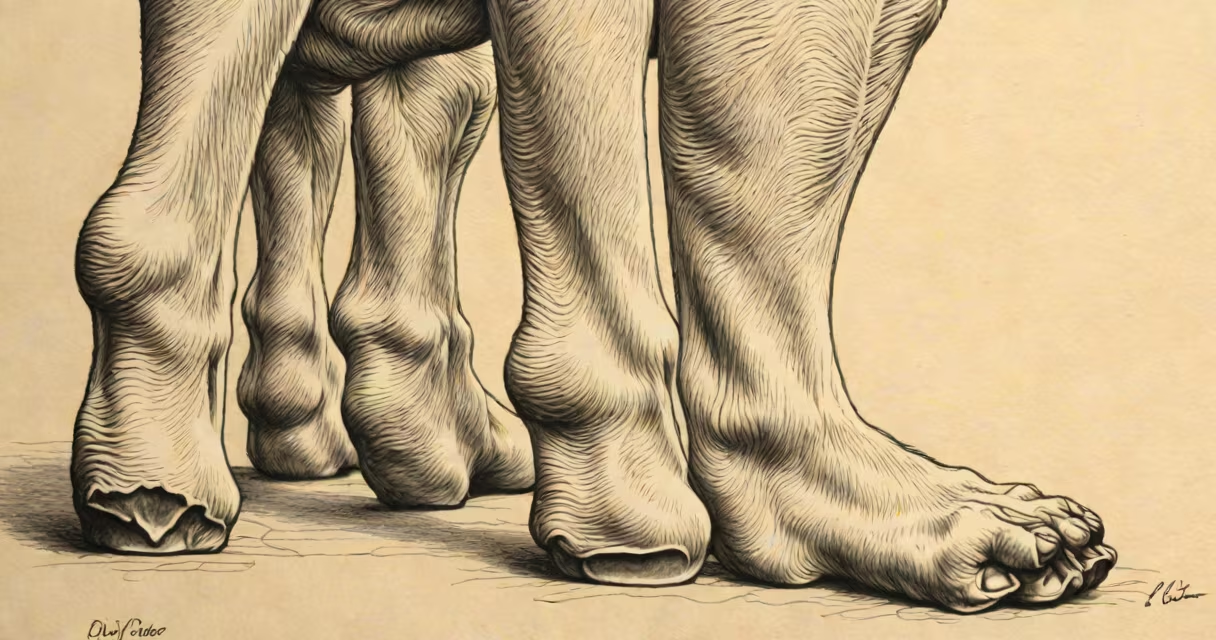
Calf swelling occurs when excess fluid builds up in the tissues of your lower leg, often due to injury, inflammation, or underlying health conditions. This swelling, called edema, can affect one or both calves and may come with discomfort, pain, or redness.
Your body maintains fluid balance through blood vessels, lymph nodes, and gravity. When this system is disrupted-due to injury, poor circulation, or disease-fluid leaks into surrounding tissues, causing swelling. The calf muscles act as a pump, moving blood toward the heart. If this process is impaired, fluid accumulates.
Calf swelling can result from various factors, including:
See a doctor immediately if swelling is sudden, severe, or accompanied by:
These symptoms may indicate a blood clot, infection, or other serious condition requiring urgent care.
Many people assume calf swelling is always harmless or caused by overexertion. However, sudden or unexplained swelling can signal deeper issues. For example, a DVT may present with minimal pain but significant swelling-often in one leg only. Chronic swelling without obvious cause should be evaluated by a healthcare provider.
If swelling is mild and not due to injury or illness, try these steps to reduce discomfort:
For persistent or severe swelling, follow treatment guidelines from a healthcare professional.
Last summer, I noticed swelling in my left calf after a long flight. The leg felt tight and slightly tender, but I had no other symptoms. I elevated it for a few hours, applied a cold compress, and wore compression socks for the next few days. The swelling decreased within 48 hours. However, if the swelling had worsened or spread, I would have sought medical attention immediately.
To minimize the risk of calf swelling:
If swelling recurs frequently, consult a doctor to rule out underlying health concerns.