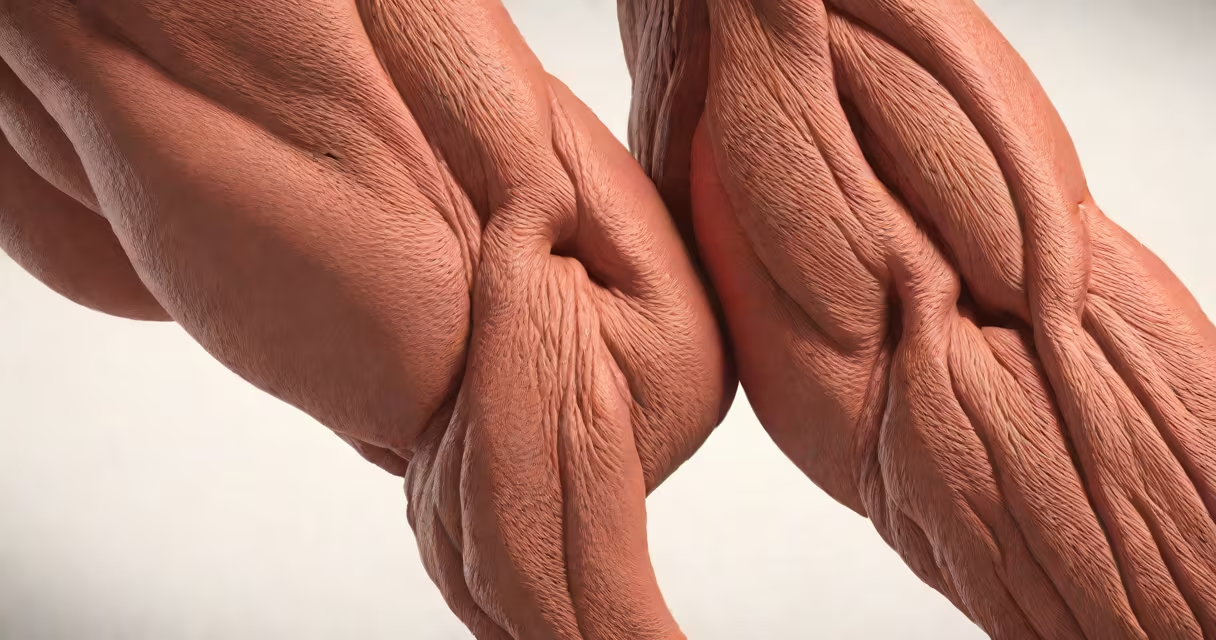
A pulsing muscle is typically caused by an involuntary contraction called a muscle twitch or spasm. These brief, sudden movements happen when a muscle fibers contracts on its own, without your conscious control.
Muscles contract when signals from your nerves tell them to. Normally, this happens in a coordinated way. But sometimes, individual muscle fibers receive erratic signals, causing them to contract spontaneously. This creates the visible twitching or pulsing effect.
Most muscle twitches fall into these categories:
Most muscle twitching is harmless and caused by:
These factors disrupt normal nerve signaling to muscles. For example, dehydration reduces blood flow to muscles, making them more prone to twitching.
See a healthcare provider if:
For occasional twitching, try these remedies:
I once experienced persistent twitching in my calf after an intense workout. Increasing my water intake and adding bananas to my diet resolved the issue within a few days.
Many people assume muscle twitching is always serious. In reality, occasional twitching is normal and happens to everyone. Another common myth is that twitching only occurs in visible muscles like arms and legs. It can actually happen anywhere, including internal muscles like those in your chest.
To minimize muscle twitching:
Most muscle twitching is harmless and resolves on its own. However, if you're concerned about frequent or persistent twitching, consult a healthcare professional for evaluation.