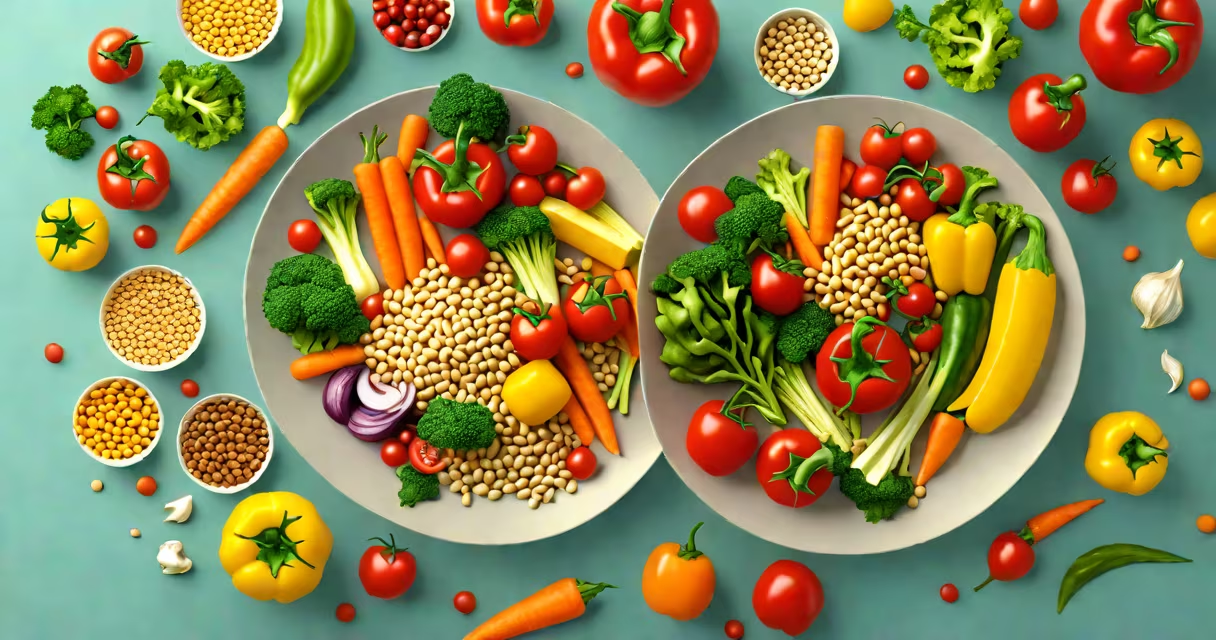
Nutrition is important because it provides the fuel, vitamins, and minerals your body needs to function properly, prevent disease, and maintain optimal health and energy levels. Proper nutrition supports every system in your body, from your brain to your muscles.
Your body breaks down food into nutrients, which are then absorbed and used for various functions. Carbohydrates provide energy, proteins build and repair tissues, and fats support cell growth. Vitamins and minerals regulate processes like metabolism and immune response.
Nutrients are categorized into six main groups:
Good nutrition is important at every stage of life. For children, it supports growth and development. For adults, it maintains energy levels and prevents chronic diseases like heart disease and diabetes. For older adults, it helps manage age-related conditions and maintains cognitive function.
A balanced diet rich in fruits, vegetables, lean proteins, and whole grains provides the necessary nutrients. The U.S. Department of Agriculture recommends filling half your plate with fruits and vegetables, a quarter with lean protein, and a quarter with whole grains.
Many people confuse nutrition with mere calorie intake. However, the quality of calories matters just as much as the quantity. For example, 100 calories from a candy bar differ from 100 calories from an apple for nutritional value.
Another misconception is that supplements can replace a healthy diet. While supplements can help fill gaps, they cannot replicate the benefits of whole foods, which contain a complex mix of nutrients and fiber.
The Mediterranean diet is a prime example of a balanced diet rich in nutrients. It emphasizes fruits, vegetables, whole grains, legumes, and olive oil, with moderate amounts of fish and poultry. Studies have shown that this diet reduces the risk of heart disease, diabetes, and certain cancers.
For instance, a study published in the New England Journal of Medicine found that participants who followed the Mediterranean diet had a 30% lower risk of cardiovascular events compared to those on a low-fat diet.
When I set out to improve my diet, I started by incorporating more vegetables into my meals. I replaced white bread with whole-grain options and chose lean proteins like grilled chicken over fried foods. Over time, I noticed increased energy levels and better digestion. Small changes made a significant difference in how I felt.