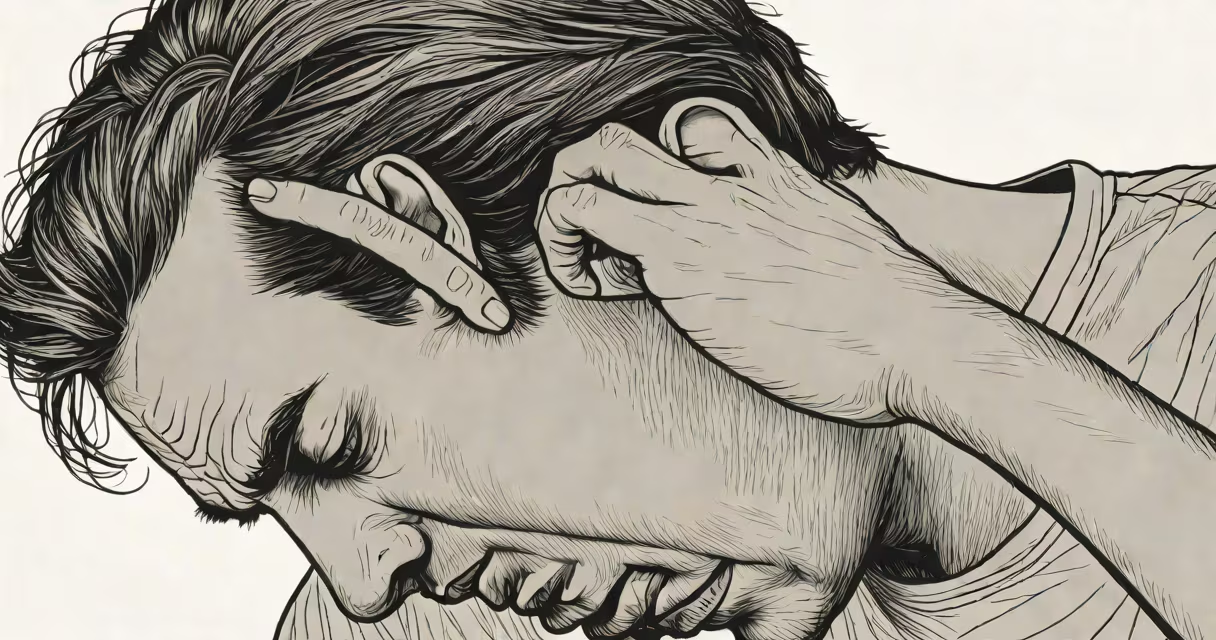
Nighttime scalp itching often results from dry skin, product buildup, or allergies. It worsens at night due to lower melatonin levels, which reduce natural moisture.
Common Causes of Nighttime Scalp Itching
Scalp itching at night typically stems from:
Dry scalp: Cold air, indoor heating, and long showers strip natural oils, making the scalp itchier as the day progresses.
Product buildup: Hair products like gels, waxes, or dry shampoos can irritate the scalp overnight.
Allergies: Laundry detergents, hair dyes, or shampoos may trigger reactions that worsen at night.
Scalp conditions: Dandruff, psoriasis, or eczema often cause itching that peaks when lying down.
According to the American Academy of Dermatology, dandruff affects about half of adults worldwide, with symptoms often worsening at night.
How Nighttime Itching Differs From Daytime Itching
Scalp itching tends to intensify at night because melatonin, a hormone that regulates sleep and skin hydration, drops after sunset. This reduction in melatonin leads to drier skin and increased sensitivity.
Lying down compresses blood vessels in the scalp, reducing circulation and making the area feel tighter and itchier.
When to See a Doctor
Consult a dermatologist if:
Itching persists for more than a week despite home remedies.
You notice redness, swelling, or flaking alongside the itching.
The itching disrupts your sleep regularly.
Over-the-counter treatments don't provide relief.
Chronic itching may indicate conditions like psoriasis or fungal infections, which require medical treatment.
Remedies for Nighttime Scalp Itching
Try these solutions to relieve nighttime scalp itching:
Moisturize: Apply a hydrating scalp oil, such as coconut or jojoba oil, before bed.
Wash hair gently: Use a mild, fragrance-free shampoo and avoid hot water.
Change pillowcases: Wash them weekly in hot water to remove allergens.
Avoid scratching: Trim nails to prevent skin damage and infections.
Preventing Future Itching
To minimize nighttime scalp itching:
Use a humidifier in your bedroom to add moisture to the air.
Avoid tight hairstyles that pull on the scalp.
Switch to hypoallergenic hair care products.
Apply a cool compress to the scalp before bed if itching occurs.