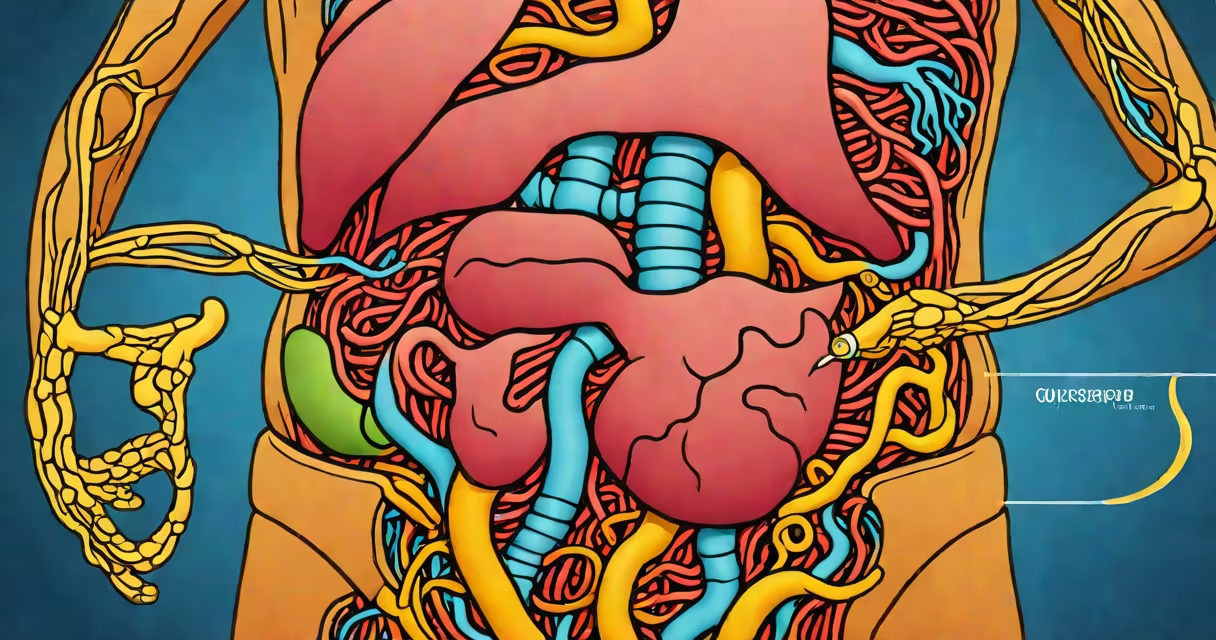
Stomach movement on its own is usually caused by normal digestive processes like peristalsis or gas passing through the intestines. Most stomach movements are harmless, but persistent or painful movements may indicate an underlying condition.
The stomach is part of the gastrointestinal (GI) tract, which processes food through a series of muscle contractions called peristalsis. These waves push food through the digestive system, breaking it down along the way. The stomach also produces acid and enzymes to further digest food.
Most stomach movements are normal and result from digestion. Here are the most common causes:
While most stomach movements are harmless, persistent or painful movements may indicate an underlying condition. See a doctor if you experience:
These symptoms could indicate a more serious condition, such as a blockage or inflammation in the digestive tract.
Last year, I noticed my stomach moving more than usual after a big meal. It turned out to be a combination of gas and normal digestion. Drinking water and walking helped ease the discomfort. However, if the movements had been painful or persistent, I would have seen a doctor.
Stomach movement on its own is usually normal and results from digestion. However, persistent or painful movements may indicate an underlying condition. If you experience severe or persistent symptoms, see a doctor for evaluation.