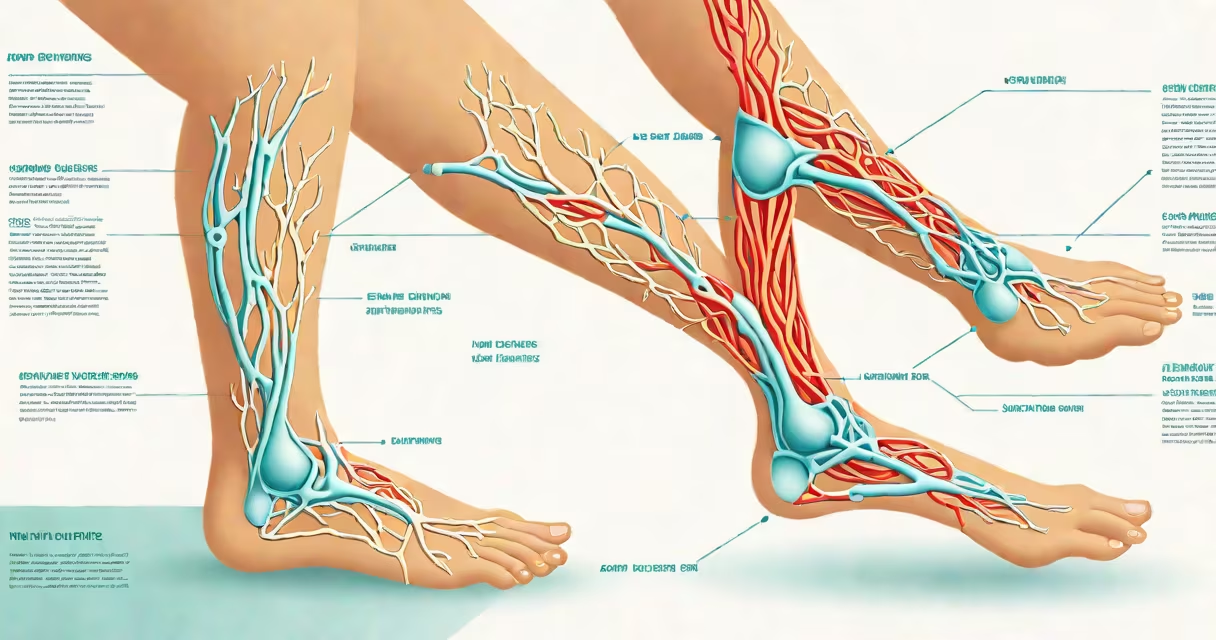
Leg numbness occurs when nerves aren't working properly, disrupting signals between your brain and legs. This can happen suddenly or develop over time, affecting part or all of a leg.
Nerves transmit signals using electrical impulses. When damaged or compressed, they may send incorrect signals or none at all. This creates tingling, weakness, or complete numbness in the affected area.
| Type | Duration | Common Causes |
|---|---|---|
| Sudden onset | Minutes to hours | Pinched nerve, poor circulation, or transient ischemic attack |
| Persistent | Days to permanent | Diabetes, multiple sclerosis, or vitamin deficiencies |
| Recurring | Episodic | Peripheral artery disease or repetitive motion injuries |
Most numbness results from temporary pressure on nerves or minor issues. Common triggers include sitting too long, sleeping awkwardly, or wearing tight clothing. These usually resolve quickly.
More concerning causes include:
Visit a healthcare provider if numbness:
Doctors diagnose the cause through physical exams and tests like MRI scans or nerve conduction studies. Treatment depends on the underlying condition but may include physical therapy, medications, or surgery.
Many people assume leg numbness always signals serious disease. While it can indicate problems like multiple sclerosis, most cases result from temporary nerve compression or minor conditions. According to the American Academy of Neurology, about 28% of adults experience occasional numbness without any serious underlying cause.