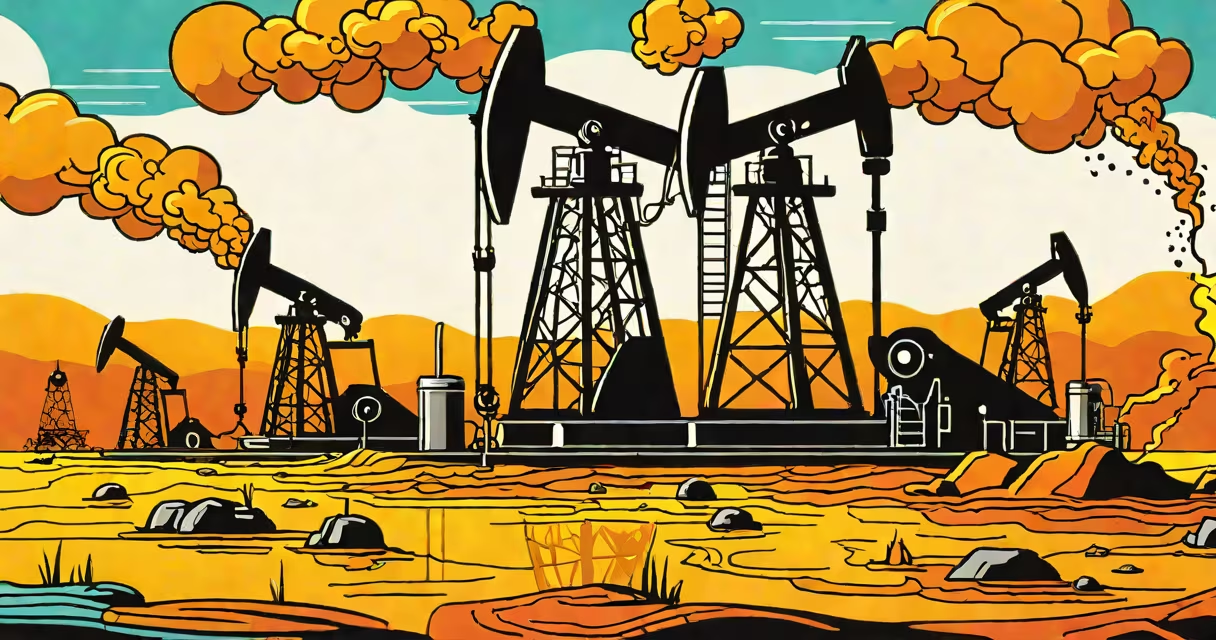
Oil is called a fossil fuel because it forms from the remains of ancient plants and animals that lived millions of years ago. These organic materials were buried, subjected to heat and pressure, and gradually transformed into hydrocarbons.
Fossil fuels like oil form through a process called catagenesis. Organic matter such as plankton and algae accumulates in sedimentary basins. Over millions of years, layers of sediment build up, creating intense pressure and heat. This transforms the organic material into liquid hydrocarbons, which migrate through porous rock until they become trapped in reservoirs.
| Type | Formation Process | Common Uses |
|---|---|---|
| Petroleum (oil) | From marine organisms buried under sediment | Transportation fuel, plastics, chemicals |
| Coal | From land plants buried in swamps | Electricity generation, steel production |
| Natural gas | From decayed organic matter in low-oxygen environments | Heating, electricity, cooking |
Many people confuse fossil fuels with other energy sources. For example, methane is often mistakenly called a fossil fuel, but it can also be produced biologically. Unlike renewable energy sources such as solar or wind, fossil fuels are finite resources that take millions of years to form.
The term "fossil" highlights the ancient origins of these fuels. According to the U.S. Energy Information Administration, most of the world's oil reserves were formed during the Mesozoic Era, between 65 and 250 million years ago. The slow, natural process of fossil fuel formation contrasts sharply with the rapid rate at which we consume them today.
Understanding why oil is called a fossil fuel helps clarify its role in our energy mix and the importance of transitioning to sustainable alternatives. While fossil fuels have powered industrialization, their finite nature and environmental impact necessitate exploring cleaner energy solutions.