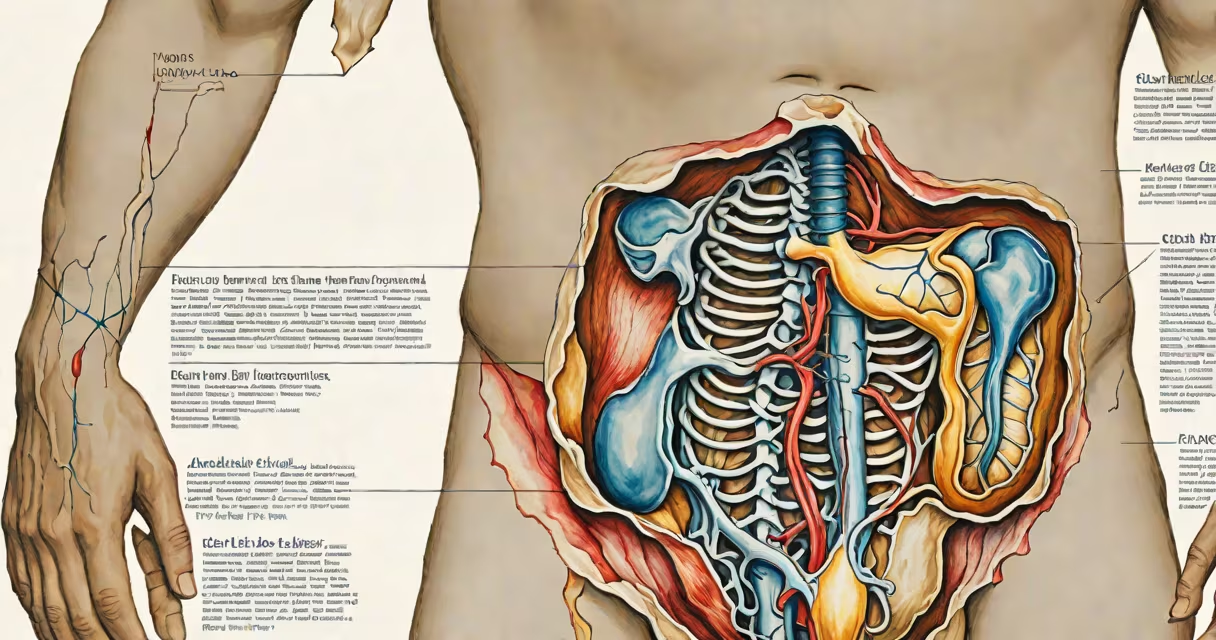
Pain in your lower left side often stems from issues in organs like the colon, spleen, or reproductive organs. The cause ranges from minor digestive problems to serious conditions requiring immediate care.
The lower left quadrant of your abdomen contains parts of the large intestine (including the descending colon and sigmoid colon), the left ovary and fallopian tube in women, the left ureter, and part of the small intestine. Pain here often relates to issues in these organs or surrounding muscles.
| Type | Common Causes | Severity |
|---|---|---|
| Sharp pain | Diverticulitis, kidney stones | Moderate to severe |
| Dull ache | Gas, constipation, muscle strain | Mild to moderate |
| Cramping | Menstrual cramps, irritable bowel syndrome | Mild to severe |
| Sudden severe pain | Ruptured ovarian cyst, appendicitis (though rare on the left) | Severe |
Most cases of lower left side pain come from digestive issues, reproductive problems, or muscle strains. For example, diverticulitis-a condition where pockets in the colon become inflamed or infected-often causes persistent pain in this area. Kidney stones passing through the left ureter can also trigger sharp, intense pain.
Seek immediate medical attention if your pain lasts more than a few days, worsens suddenly, or comes with fever, vomiting, or bloody stool. These could signal serious conditions like a ruptured spleen, intestinal obstruction, or ectopic pregnancy. If the pain persists but isn't severe, schedule a visit to rule out chronic issues like endometriosis or inflammatory bowel disease.
I once experienced dull lower left side pain after eating too much fiber-rich food. The discomfort resolved within a day after adjusting my diet, but if it had persisted, I would have seen a doctor to check for diverticulitis or other conditions.
Many people mistake lower left side pain for gas or minor muscle strain, delaying treatment for serious conditions. For instance, a ruptured ovarian cyst may feel like bad menstrual cramps at first. Similarly, diverticulitis can mimic appendicitis, leading to confusion since appendicitis typically affects the lower right side.