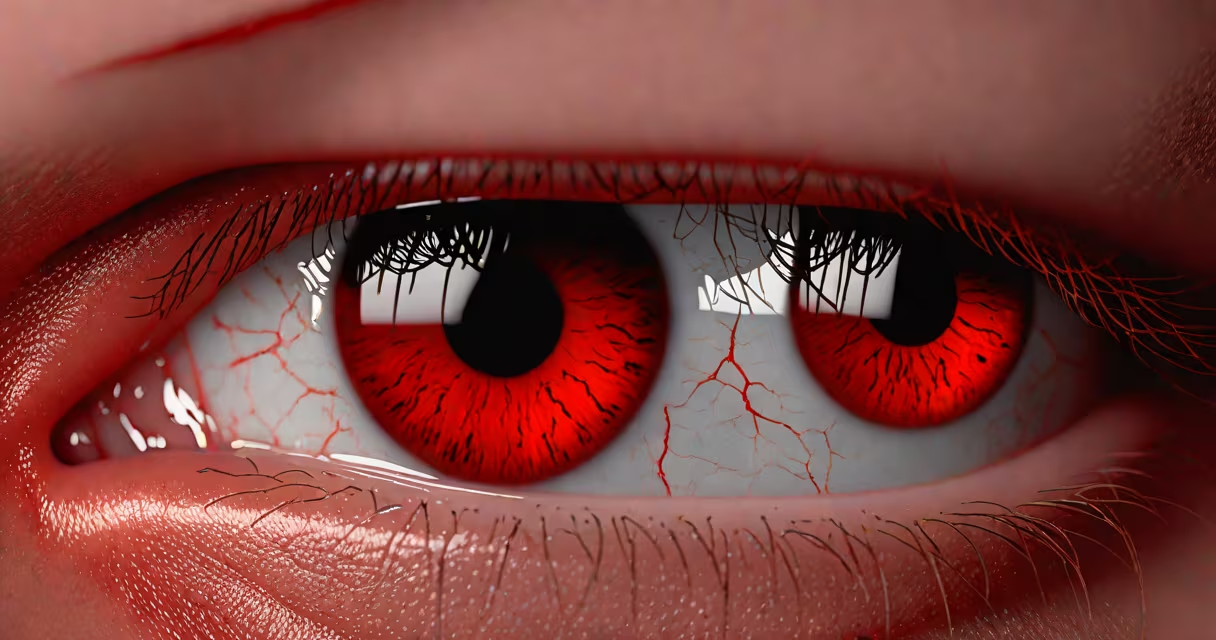
Red eyes occur when tiny blood vessels in the eye's surface expand, often due to irritation, allergies, or fatigue. The condition is usually harmless but can indicate serious issues if accompanied by pain or vision changes.
The whites of your eyes, or sclera, contain a network of blood vessels. When irritated or inflamed, these vessels widen and fill with blood, making the eye appear red. This response is part of your body's natural defense mechanism, similar to how skin turns red when injured.
Red eyes have several common triggers:
Most cases of red eyes resolve on their own, but consult a doctor if you experience:
Many people assume red eyes are always a sign of tiredness or minor irritation. However, red eyes can also result from more severe conditions, such as glaucoma or uveitis. If the redness is concentrated around the pupil, it may indicate a different issue.
To minimize the risk of red eyes:
Red eyes are usually harmless but can sometimes signal a more serious problem. Understanding the causes and knowing when to seek medical attention can help maintain your eye health.