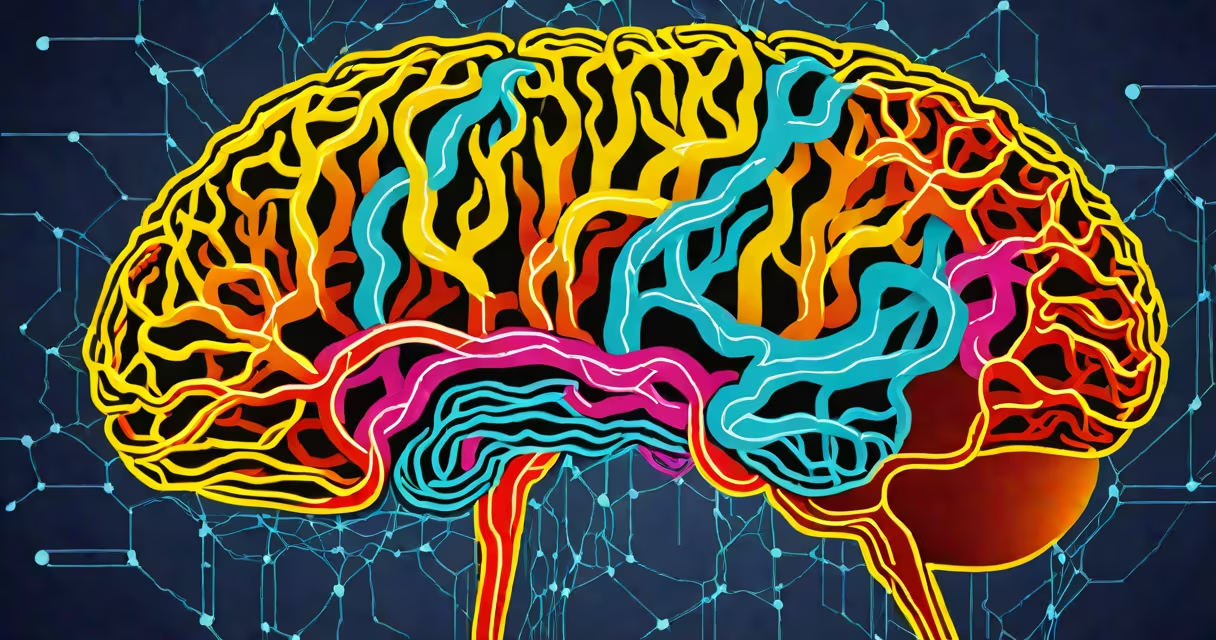
Depression results from complex interactions between biological, psychological, and environmental factors that disrupt mood regulation. These influences alter brain chemistry, neural circuits, and stress responses, leading to persistent sadness, hopelessness, and loss of interest.
Depression arises when neurotransmitter imbalances-particularly serotonin, dopamine, and norepinephrine-disrupt communication between brain regions responsible for emotion and cognition. Chronic stress elevates cortisol levels, damaging neurons in the hippocampus and prefrontal cortex, areas critical for mood control and decision-making.
| Type | Key Characteristics | Duration |
|---|---|---|
| Major Depressive Disorder (MDD) | Severe symptoms affecting daily life | Weeks to months |
| Persistent Depressive Disorder (PDD) | Chronic mild to moderate symptoms | Years |
| Bipolar Depression | Depressive episodes alternating with mania | Variable |
Genetic predisposition increases vulnerability, while traumatic events-such as abuse, loss, or financial instability-can precipitate depressive episodes. Social isolation exacerbates symptoms by reducing emotional support. Poor sleep, substance abuse, and chronic illnesses like diabetes or heart disease also contribute.
Contrary to popular belief, depression isn't solely caused by negative thoughts or a lack of willpower. While cognitive patterns worsen symptoms, biological factors often initiate the condition., antidepressants don't create happiness-they restore chemical balance to enable natural resilience.
Research published in JAMA Psychiatry found that childhood adversity doubles the risk of adult depression. A study of 5,000 participants showed that those experiencing trauma before age 18 had higher cortisol levels, impairing stress response systems. This highlights how early experiences physically alter brain architecture, increasing lifelong susceptibility.