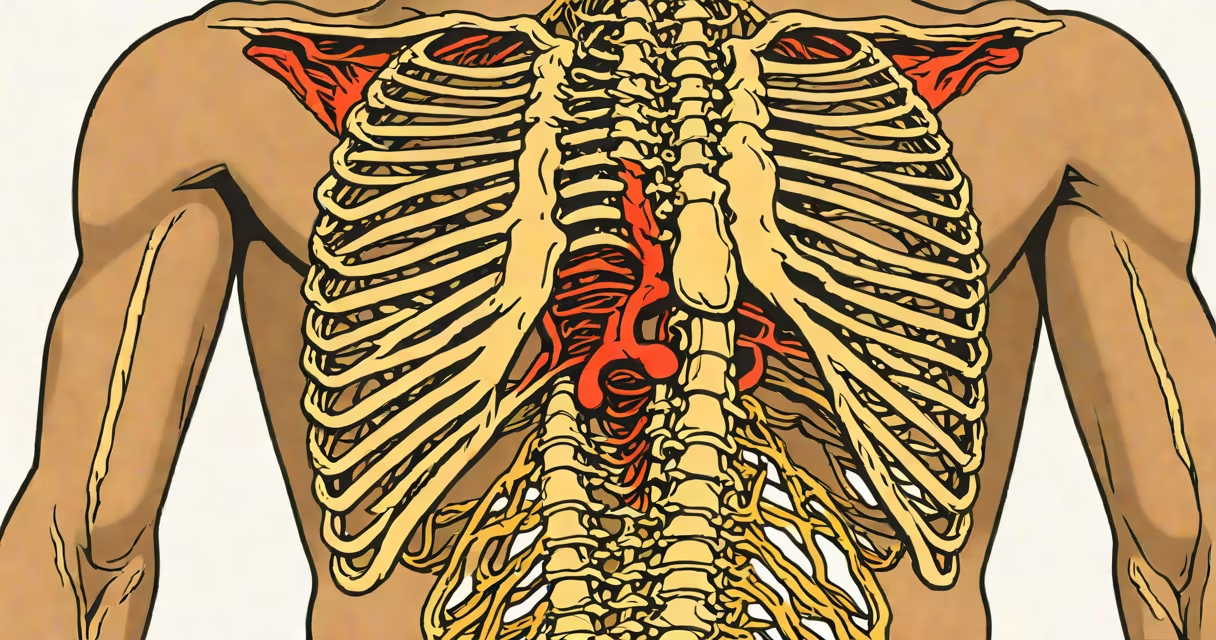
Left rib cage pain can result from muscle strains, digestive issues, or more serious conditions like heart problems or infections. Understanding the potential causes helps determine when to seek medical attention.
The left rib cage protects important organs including the heart, lungs, spleen, and parts of the stomach and pancreas. Pain in this area often relates to these organs or the muscles and bones surrounding them. The intercostal muscles between the ribs can become strained from overexertion, poor posture, or sudden movements.
| Type | Characteristics | Common Causes |
|---|---|---|
| Sharp pain | Sudden, intense, often localized | Muscle strain, injury, or organ-related issues |
| Dull ache | Persistent, sometimes spreading | Digestive issues, inflammation, or chronic conditions |
| Stabbing pain | Severe, may come in waves | Heart-related problems, infections, or nerve issues |
Most cases of left rib cage pain are minor and resolve on their own. Muscle strains from heavy lifting, coughing, or even sneezing can cause sharp pain. Digestive issues like gas, acid reflux, or inflammation of the stomach or pancreas often lead to a dull ache. Infections such as pneumonia or shingles can cause pain that worsens over time.
A less common but serious cause is a heart attack. Pain from cardiac issues typically spreads to the arm, jaw, or back and may include shortness of breath or nausea. Other serious conditions include a spleen rupture, which can occur after an injury, or costochondritis, an inflammation of the cartilage connecting the ribs to the sternum.
Seek immediate medical attention if left rib cage pain is accompanied by difficulty breathing, chest tightness, or dizziness. These symptoms could indicate a heart attack or pulmonary embolism. Persistent pain lasting more than a few days, especially if it worsens at night or with deep breaths, warrants a doctor's visit. A healthcare provider can perform tests to rule out serious conditions and recommend appropriate treatment.
I once experienced a sharp pain under my left rib cage after an intense workout. The pain worsened with deep breaths and lasted for three days. A visit to the doctor confirmed it was a muscle strain, and rest along with gentle stretching helped resolve it within a week.
To prevent muscle-related pain, warm up before exercise and avoid sudden, jerky movements. Maintaining good posture while sitting and standing reduces strain on the intercostal muscles. Eating smaller, frequent meals can help prevent digestive issues that contribute to left rib cage pain. Avoiding smoking and managing stress levels also support health and reduce the risk of pain.