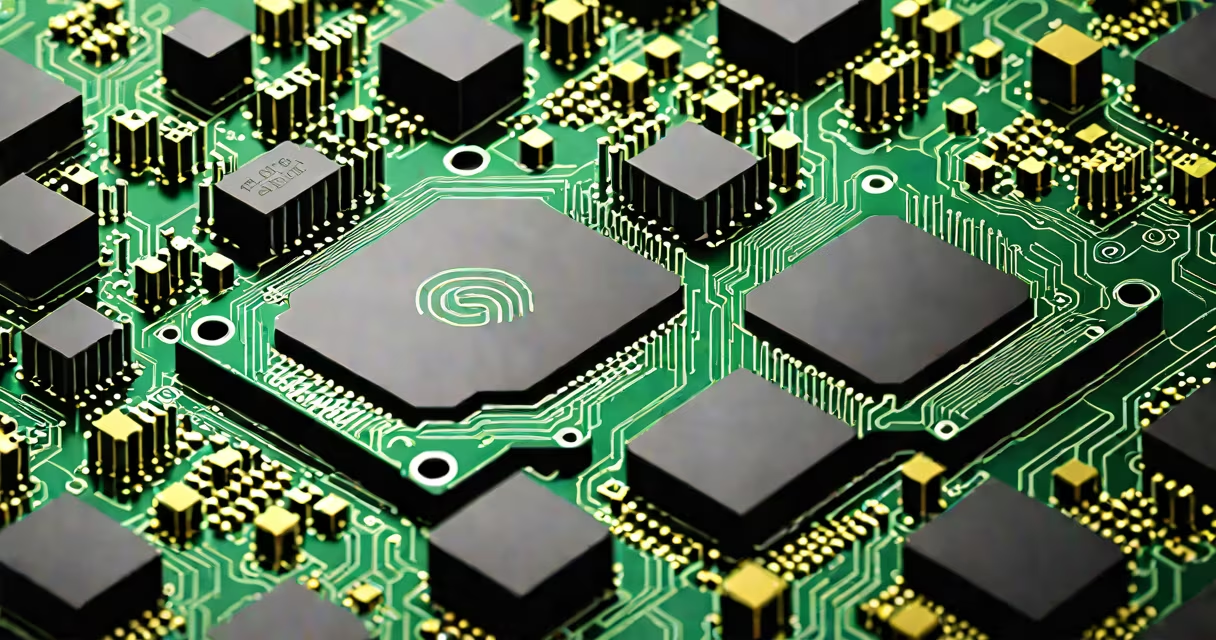
A wifi chip for motherboard is a small circuit board component that provides wireless internet connectivity to desktop computers. These chips integrate with the motherboard to enable devices to connect to Wi-Fi networks without requiring external adapters.
Wifi chips for motherboards operate using radio waves to transmit and receive data. They convert digital data into radio signals and vice versa, allowing communication between the computer and a wireless router. Most modern wifi chips support multiple wireless standards, such as IEEE 802.11ac and 802.11ax (Wi-Fi 6), ensuring compatibility with various network types.
Wifi chips for motherboards come in several forms:
Many users confuse wifi chips with network interface cards (NICs). While both help network connectivity, NICs typically handle wired (Ethernet) connections, whereas wifi chips handle wireless connections. Another misconception is that all motherboards have built-in wifi capabilities. In reality, many budget or older models require separate wifi adapters.
Wifi chips are essential for modern computing, enabling smooth internet access without the clutter of cables. They are particularly important for devices placed far from routers or in environments where running Ethernet cables is impractical. For instance, a home theater PC benefits from a wifi chip, allowing it to stream media wirelessly from online services.
When selecting a wifi chip, consider factors like speed, range, and compatibility with your operating system. Higher-end chips support newer standards like Wi-Fi 6, which offer improved performance and efficiency., ensure the chip supports the security protocols your network uses, such as WPA3, to protect against unauthorized access.
To check if your motherboard has a built-in wifi chip, refer to the manufacturer's specifications or look for a wifi module near the I/O shield. If your motherboard lacks one, you can install a PCIe wifi card for wireless connectivity.