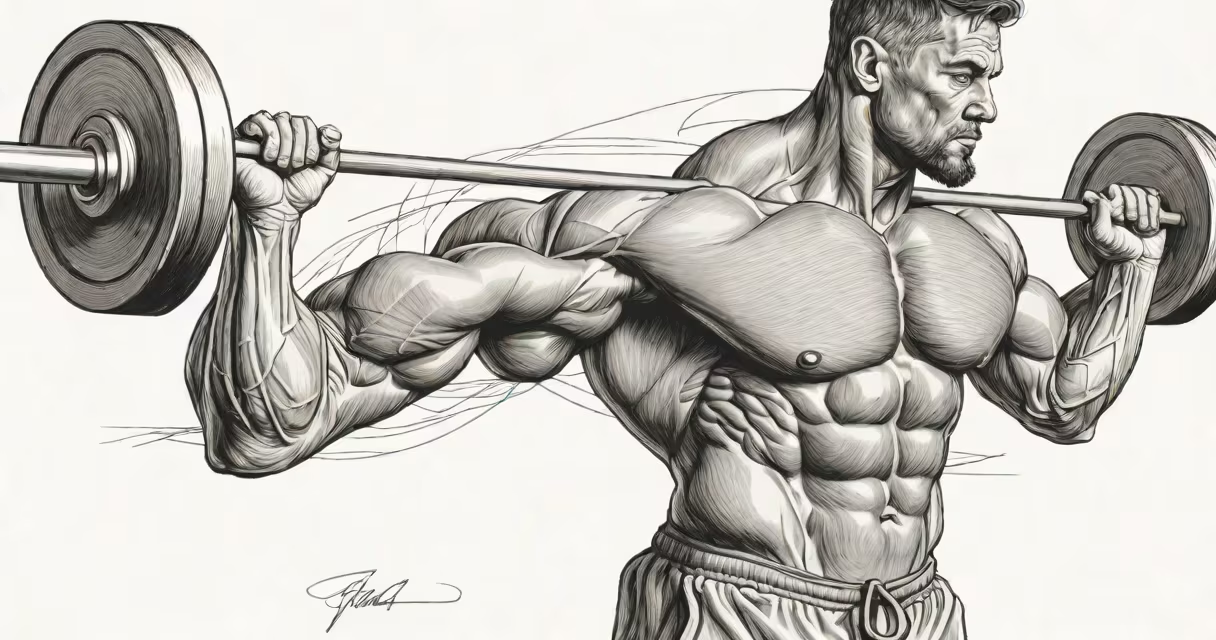
Intermittent fasting may lead to muscle loss if not managed properly, but it doesn't have to. The key factors are calorie intake, protein consumption, and exercise habits.
Intermittent fasting cycles between periods of eating and fasting. Common methods include the 16/8 method (16 hours fasting, 8 hours eating) and the 5:2 method (eating normally five days a week, very low calories for two days). These patterns can help with weight management and metabolic health, but they require careful planning to avoid muscle loss.
| Method | Fasting Window | Eating Window |
|---|---|---|
| 16/8 | 16 hours | 8 hours |
| 5:2 | Two non-consecutive days | Five days |
| Eat Stop Eat | 24 hours, once or twice a week | Remaining days |
Muscle loss during intermittent fasting is primarily due to calorie deficits. When you consume fewer calories than your body needs, it turns to stored energy, including muscle tissue, for fuel. However, maintaining adequate protein intake and resistance training can mitigate this effect.
A study published in the journal Nutrients found that intermittent fasting combined with resistance training preserved muscle mass while promoting fat loss. The participants maintained their protein intake and engaged in strength training, which helped them retain muscle.
Many people believe that intermittent fasting automatically leads to muscle loss. However, this isn't necessarily true. The real issue is often a lack of proper nutrition and exercise. If you're not consuming enough protein or engaging in strength training, you're more likely to lose muscle.
Let's say you follow the 16/8 intermittent fasting method. You fast from 8 PM to 12 PM the next day, then eat between 12 PM and 8 PM. To prevent muscle loss, ensure your meals within this window include high-quality protein sources like chicken, fish, eggs, and legumes. Pair this with regular strength training exercises, such as weightlifting or bodyweight exercises, to maintain muscle mass.
I've personally tested this approach. By focusing on protein-rich foods and maintaining my workout routine, I was able to lose fat without losing muscle. It took discipline, but the results were noticeable within a few weeks.
Intermittent fasting can be used for both fat loss and muscle gain, but it requires a strategic approach. During your eating window, prioritize nutrient-dense foods and engage in strength training to build muscle. This combination helps your body use stored fat for energy while preserving muscle tissue.
For more detailed strategies on using intermittent fasting for fat loss and muscle gain, check out our guide on intermittent fasting for muscle gain.
Intermittent fasting doesn't have to cause muscle loss. By maintaining a balanced diet rich in protein and engaging in regular strength training, you can preserve muscle mass while enjoying the benefits of intermittent fasting. Proper planning and consistency are key to achieving your fitness goals without sacrificing muscle.