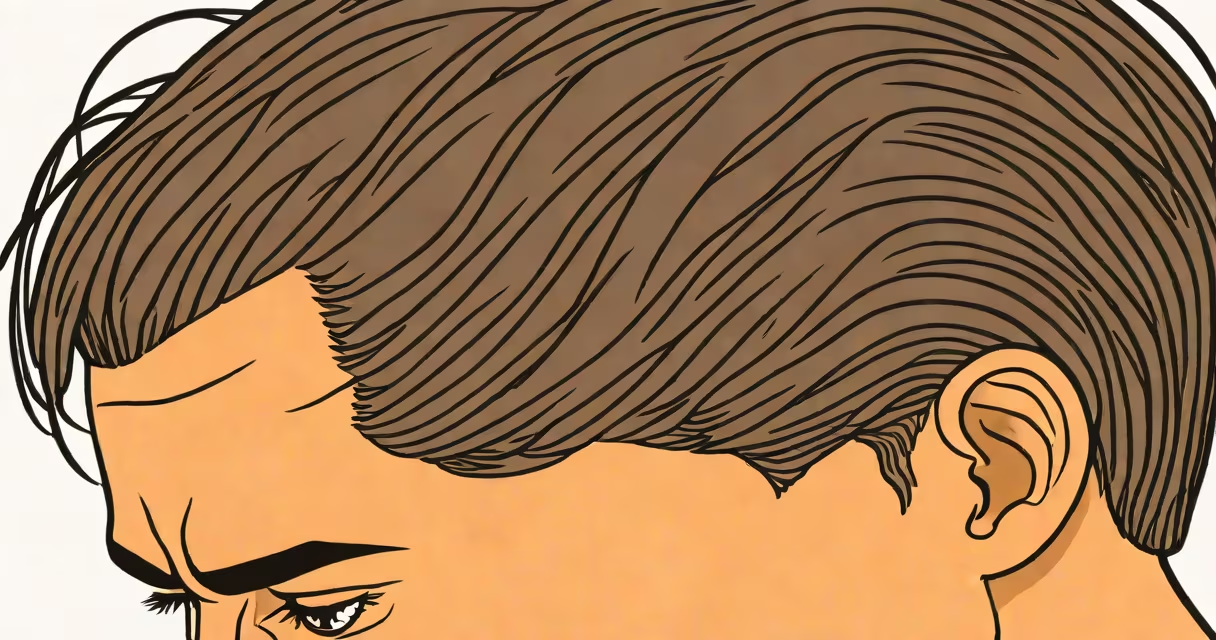
Oily hair itself doesn't directly cause hair loss, but chronic scalp oiliness can contribute to conditions that lead to thinning hair. Excess sebum production may clog hair follicles and create an environment where fungal infections thrive.
Sebum is the natural oil produced by sebaceous glands in your scalp. While it protects and moisturizes hair, excessive production can lead to problems. The American Academy of Dermatology notes that oily scalps are more prone to dandruff and folliculitis, which can damage hair follicles over time.
When sebum mixes with dead skin cells, it forms a sticky substance that clogs hair follicles. This can prevent new hair from growing and may even strangulate existing hairs, causing them to fall out prematurely.
| Type | Description | Common in |
|---|---|---|
| Androgenetic Alopecia | Genetic hair loss worsened by hormonal factors | Men and women with family history |
| Seborrheic Dermatitis | Chronic inflammatory condition causing red, itchy scalp | Infants and adults under stress |
| Fungal Infections | Yeast overgrowth leading to hair shedding | People with oily scalps |
Many assume that oily hair simply makes hair fall out faster, but the real issue is how excess oil creates conditions for more serious problems. For example, seborrheic dermatitis often leads to temporary hair loss due to inflammation and scratching.
I once worked with a client who experienced increased hair shedding after switching to a new shampoo. Their scalp was producing excess oil, which led to clogged follicles. By using a mild, sulfate-free shampoo and incorporating scalp treatments, they reduced oiliness and saw improved hair growth within months.
While oily hair can play a role, other factors contribute to hair loss. Chlorine exposure, for instance, can weaken hair strands over time. Microblading, a popular eyebrow treatment, may also cause temporary hair loss in some cases. Understanding all potential causes helps in developing a complete hair care routine.
For those concerned about hair loss, consulting a dermatologist is essential. They can diagnose underlying conditions and recommend treatments tailored to individual needs. Proper scalp care, including gentle cleansing and regular exfoliation, can help maintain a healthy balance of oils and promote hair growth.