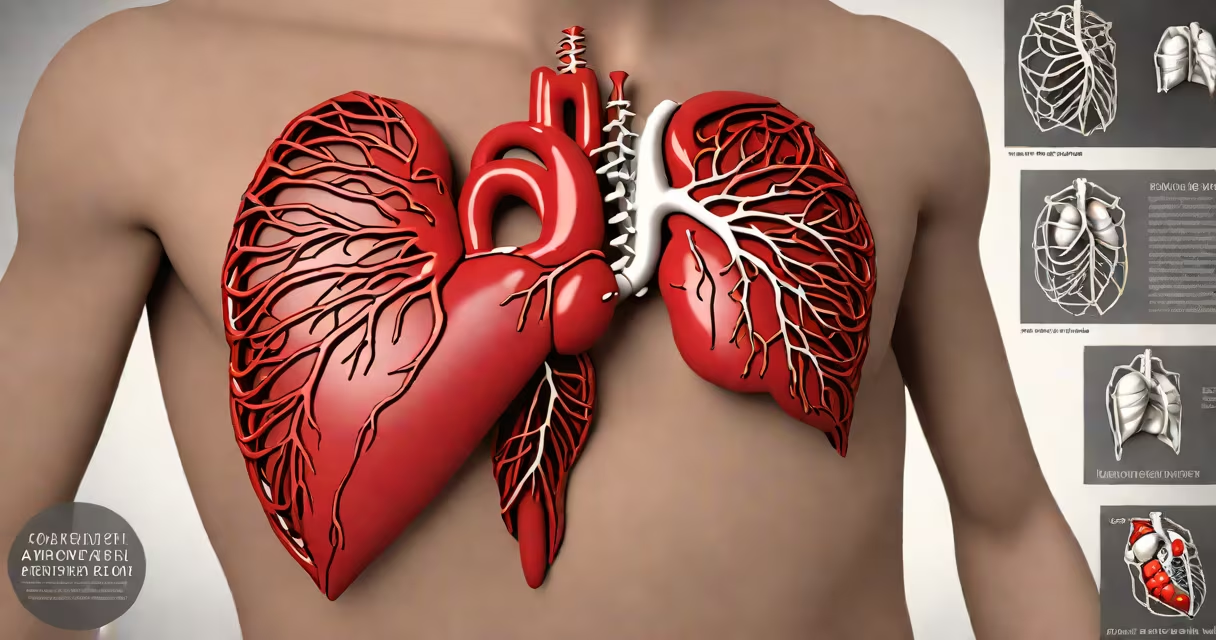
Left-sided chest pain has many possible causes, ranging from minor muscle strain to serious conditions like heart attack. The location and character of pain help determine its source.
Most cases result from non-cardiac sources. The most frequent causes include:
Note these characteristics when pain occurs:
| Feature | Possible Cause |
|---|---|
| Sharp, stabbing pain | Costochondritis or pleurisy |
| Dull ache after exertion | Muscle strain |
| Burning sensation after eating | Heartburn/GERD |
| Pain radiating to arm/jaw | Potential cardiac issue |
Call emergency services if you experience:
These may indicate heart attack or other serious conditions.
For less severe causes:
If pain persists beyond a few days or worsens, consult a healthcare provider.
Many people assume all left chest pain signals heart problems. However, only about 15% of non-traumatic chest pain cases relate to the heart (Perry, 2018). Another frequent mistake is confusing pain from stomach issues with cardiac pain, as stomach acid can irritate the lower esophagus.
Schedule an appointment if:
Doctors may order tests like EKGs, blood tests, or imaging to determine the cause.
I once experienced persistent left chest pain that worsened with deep breaths. After ruling out cardiac causes, my doctor diagnosed pleurisy related to a recent respiratory infection. Proper diagnosis prevented unnecessary panic and directed appropriate treatment.
Understanding the various causes of left chest pain helps determine when to seek immediate care versus managing symptoms at home. While most cases prove harmless, recognizing serious warning signs could save your life.