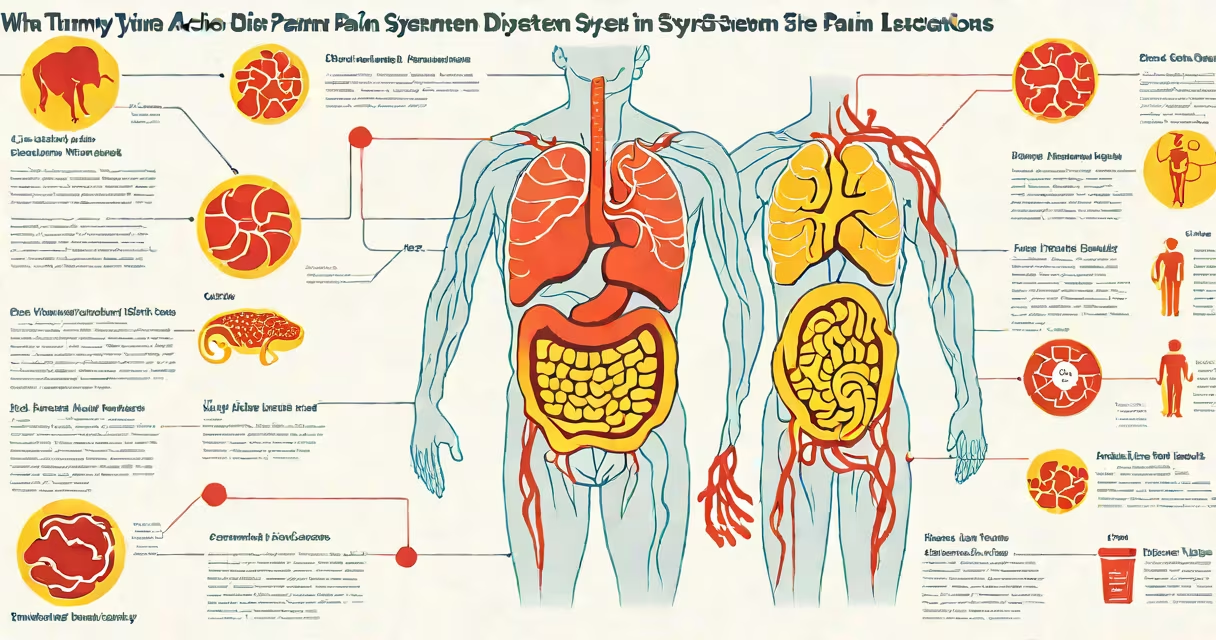
A tummy ache is abdominal pain caused by digestive issues, infections, or other medical conditions. Most cases are mild and temporary, but persistent or severe pain may indicate serious problems.
Abdominal pain originates from organs like the stomach, intestines, liver, or pancreas. It can also come from the muscles, nerves, or skin in the abdomen. The brain receives pain signals through the spinal cord, creating the sensation of discomfort.
Most tummy aches result from digestive processes. Food moves through your digestive tract by muscle contractions called peristalsis. When this process is disrupted, it can cause cramping, bloating, or sharp pains. Gas buildup or inflammation in the gut lining also contributes to discomfort.
| Type | Location | Common Causes |
|---|---|---|
| Generalized pain | All over abdomen | Indigestion, gas, viral gastroenteritis |
| Localized pain | Specific area | Appendicitis, kidney stones, hernia |
| Cramping pain | Lower abdomen | Menstrual cramps, food poisoning |
| Colicky pain | Sudden, severe waves | Kidney stones, gallstones |
Food intolerances like lactose intolerance or gluten sensitivity often trigger tummy aches. Eating too much or too quickly can also cause discomfort. Other common causes include:
Stress and anxiety can also manifest as stomach pain through the gut-brain connection. The vagus nerve connects these systems, and emotional stress can increase gut sensitivity and alter digestion.
Most tummy aches resolve within a few hours. However, seek medical attention if you experience:
These symptoms could indicate conditions like appendicitis, gallbladder disease, or intestinal obstruction. A healthcare professional can diagnose the underlying cause and recommend appropriate treatment.
For occasional mild stomach pain, home remedies like drinking water, avoiding triggering foods, and resting can help. Over-the-counter medications like antacids or anti-diarrheals may provide relief for specific symptoms. If you frequently experience stomach pain, maintaining a food diary can help identify patterns and triggers.
When stomach pain persists or becomes severe, knowing what to do when you have stomach ache is important. Medical evaluation ensures proper diagnosis and treatment, preventing potential complications.