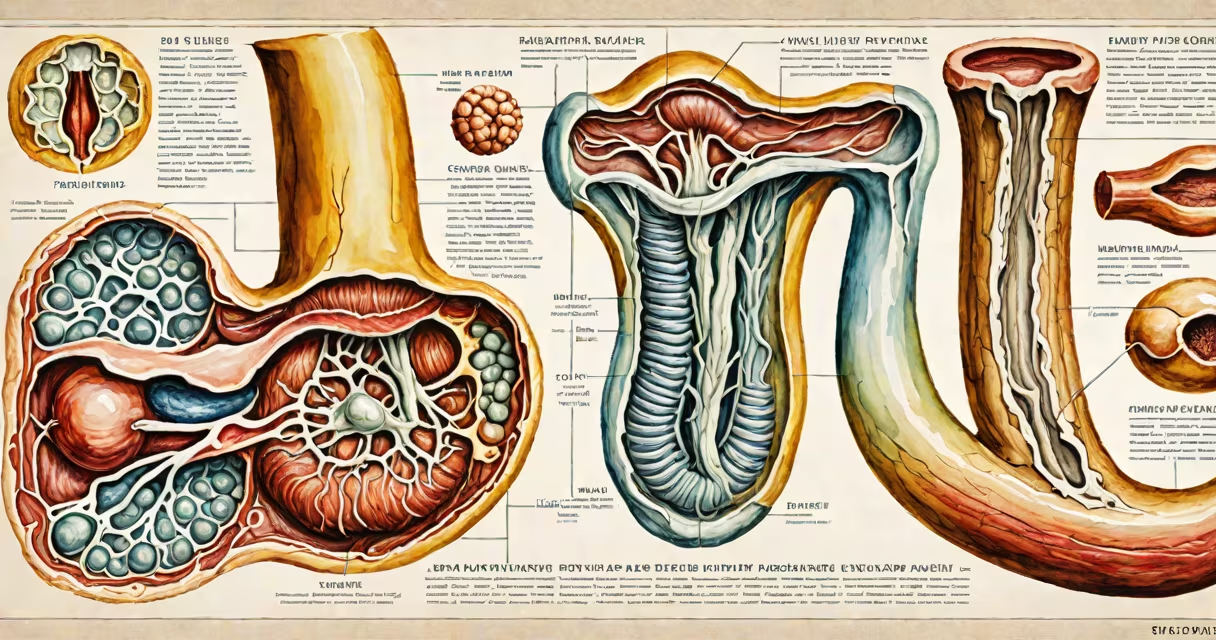
The anatomy of the penis refers to the physical structures and functions of the male genital organ, including the glans, shaft, and internal tissues. It plays roles in urination, sexual intercourse, and ejaculation.
The penis consists of external and internal components. Externally, it includes the glans (head), shaft, and foreskin (if uncircumcised). Internally, it contains erectile tissues, the urethra, and blood vessels.
The three main cylindrical structures within the penis are the two corpora cavernosa and the corpus spongiosum. These contain sponge-like tissue that fills with blood during an erection. The urethra runs through the corpus spongiosum, allowing urine and semen to pass through.
The primary functions of the penis are urination and sexual activity. During an erection, blood flows into the corpora cavernosa and corpus spongiosum, making the penis harder and more rigid. This process is controlled by the nervous system and hormones.
During ejaculation, semen travels from the testes through the vas deferens, mixes with fluids from the prostate and seminal vesicles, and exits the body through the urethra. The penis also plays a role in sexual pleasure due to its sensitivity to touch.
One common misconception is that the penis is solely composed of muscle. In reality, it primarily consists of erectile tissue, which is sponge-like and fills with blood. Another myth is that the size of the penis correlates with male health or virility, which is not supported by medical evidence.
Some people believe that circumcision affects penile function. While it removes the foreskin, it does not impact the core functions of the penis, such as erection or urination. Studies show that circumcision is a personal or cultural choice rather than a medical necessity for most individuals.
Regular check-ups and awareness of any changes in the penis are important for maintaining sexual health. Conditions such as erectile dysfunction, infections, or abnormalities should be discussed with a healthcare provider. Proper hygiene, safe sex practices, and regular medical screenings can help prevent issues.
For example, erectile dysfunction can be a sign of underlying health problems, such as cardiovascular disease or diabetes. Seeking medical advice early can lead to better management and treatment options. Understanding the anatomy of the penis can help individuals recognize when something is amiss and seek appropriate care.
The anatomy of the penis is complex and involves various structures working together to help urination and sexual function. By understanding these components and their roles, individuals can better maintain their sexual health and seek medical attention when necessary.