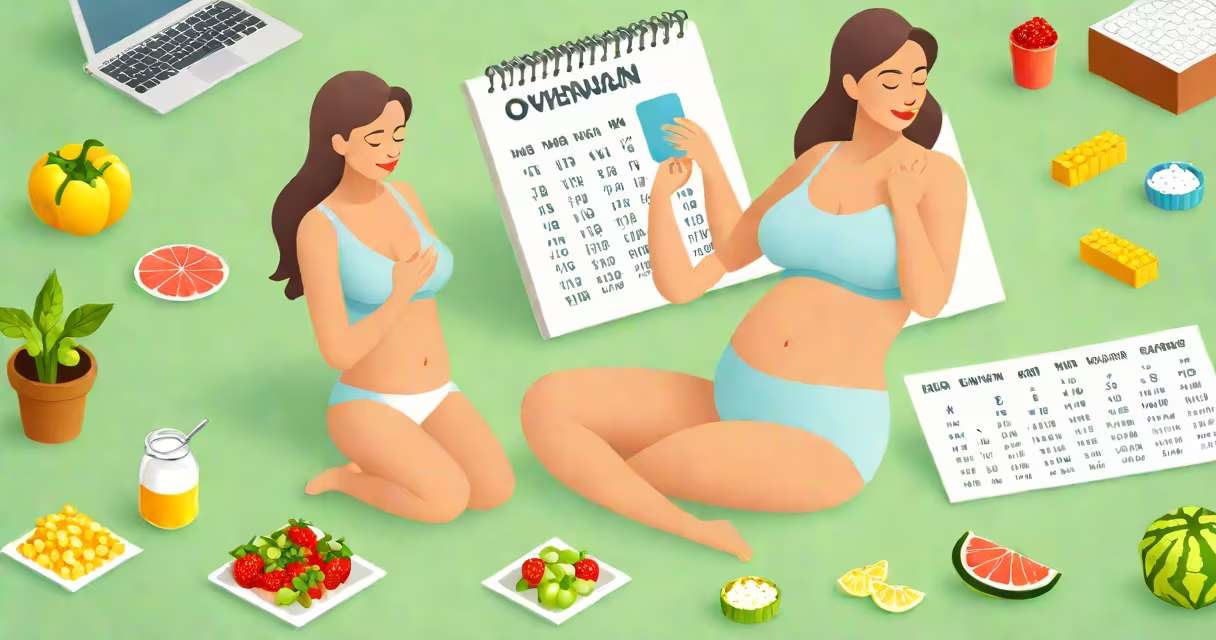
Bloating and weight gain during ovulation occur because hormonal fluctuations trigger water retention and slow digestion. These symptoms peak mid-cycle as progesterone rises.
During ovulation, estrogen drops while progesterone increases. Progesterone relaxes smooth muscles, including those in your digestive tract. This slows food movement, leading to gas buildup and bloating. The hormone also prompts your body to retain sodium and water, adding to the bloated feeling.
Research published in Gastroenterology confirms that progesterone affects gut motility, contributing to bloating. A study in Reproductive Health found that 75% of women report bloating during ovulation.
| Symptom | Cause | Duration |
|---|---|---|
| Abdominal bloating | Progesterone slowing digestion | 3-5 days |
| Water retention | Hormonal shifts | 2-4 days |
| Mild weight gain | Fluid retention | Up to 3 lbs (1.4 kg) |
Bloating typically starts 1-2 days before ovulation and peaks 24-48 hours afterward. Weight gain from water retention may linger for 3-5 days. These symptoms often accompany mild cramping, breast tenderness, and increased cervical mucus.
To reduce bloating, drink plenty of water to flush excess sodium. Eat potassium-rich foods like bananas and leafy greens to counteract sodium retention. Avoid salty, processed foods and carbonated drinks, which worsen bloating.
Gentle exercise like walking can stimulate digestion. Over-the-counter diuretics may help, but consult a doctor before use. Probiotics support gut health, and peppermint tea soothes digestive discomfort.
If bloating persists beyond ovulation or causes severe pain, consult a healthcare provider. Unexplained bloating and weight gain may indicate conditions like PCOS or thyroid issues. Tracking symptoms with apps or journals can help identify patterns.
I noticed significant relief from bloating by reducing dairy intake during ovulation. Keeping a food diary helped pinpoint triggers like gluten-heavy meals.