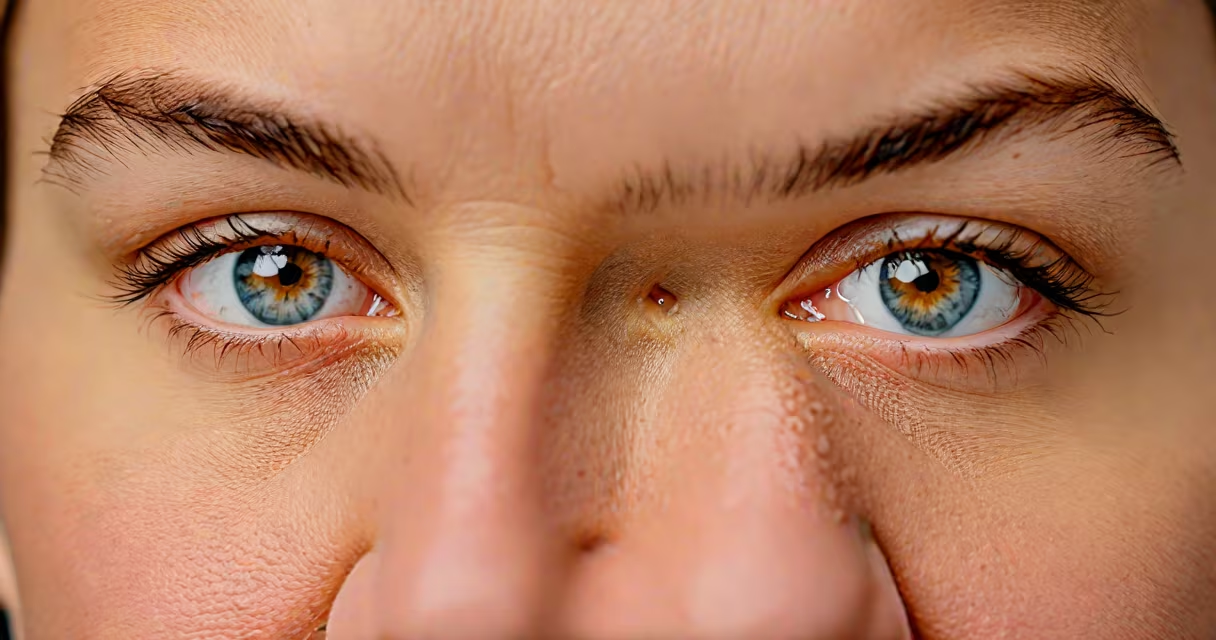
Swollen eyes and face occur when fluid builds up in tissues around the eyes and face, often due to inflammation, allergies, or infection. This condition can affect one or both sides and may come with redness, itching, or pain.
Swelling happens when small blood vessels leak fluid into nearby tissues. The body triggers this response to protect itself from injury, infection, or irritation. Common causes include allergies, infections, and medical conditions like thyroid disorders.
The most frequent causes of swollen eyes and face fall into five categories:
| Cause | Description | Common Symptoms |
|---|---|---|
| Allergies | Allergic reactions to pollen, pet dander, or food trigger histamine release, causing swelling. | Itching, watery eyes, sneezing |
| Infections | Bacterial or viral infections like conjunctivitis or sinusitis lead to inflammation and swelling. | Redness, warmth, discharge |
| Trauma | Injuries, such as a blow to the face, cause localized swelling as part of the healing process. | Bruising, tenderness |
| Medical Conditions | Conditions like Graves' disease or kidney problems can cause generalized facial swelling. | Weight gain, fatigue |
| Lifestyle Factors | Excessive salt intake, alcohol consumption, or lack of sleep can contribute to puffiness. | Dark circles, bloating |
Most cases of mild swelling resolve on their own. However, see a doctor if swelling lasts more than 48 hours, worsens suddenly, or comes with difficulty breathing, vision changes, or severe pain. These could indicate a serious condition like angioedema or anaphylaxis.
According to the American Academy of Ophthalmology, persistent swelling may require allergy testing or further evaluation for underlying health issues. A healthcare provider can determine the exact cause and recommend appropriate treatment.
Many people assume swollen eyes and face are always due to allergies. While allergies are a leading cause, other factors like dehydration, hormonal changes, or even sleeping position can contribute. For example, sleeping face-down can cause temporary puffiness due to fluid accumulation.
Another misconception is that home remedies like cold compresses work for all types of swelling. While they help reduce inflammation from minor allergies or trauma, they won't address underlying infections or medical conditions. Always consult a doctor for persistent or severe swelling.
Last summer, I noticed my eyes and face swelling after eating shellfish. The swelling was mild at first but worsened within hours. I applied a cold compress and took an antihistamine, which helped. Later, I confirmed the reaction with an allergist. Now, I avoid shellfish and carry antihistamines to prevent severe reactions.
If you experience similar symptoms, consider keeping an allergy diary to track triggers. Recognizing patterns can help you avoid future reactions and manage symptoms effectively.
To prevent swelling, avoid known allergens, maintain a balanced diet, and get enough sleep. If swelling occurs, over-the-counter antihistamines or anti-inflammatory medications may help. For persistent or severe cases, medical treatment is necessary.
If swelling is due to an underlying condition like thyroid disorder, treating the primary issue is important. A doctor may prescribe medications or recommend lifestyle changes to manage symptoms effectively.