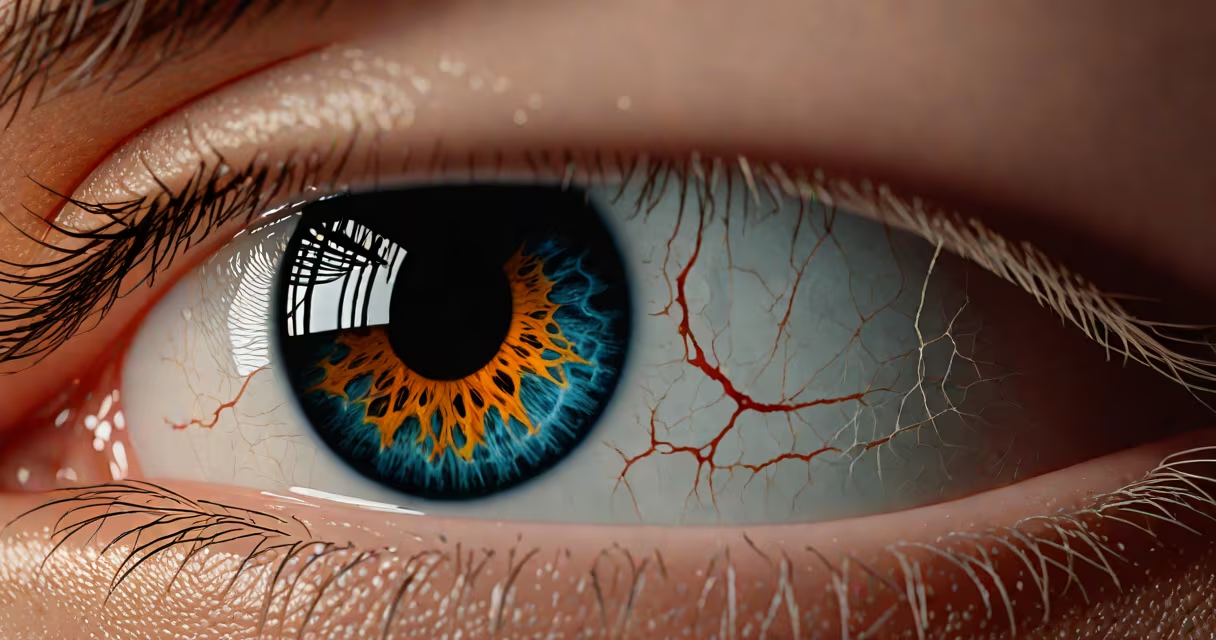
A corneal abrasion is a scratch on the clear front surface of your eye, causing pain, redness, and tearing. Immediate treatment reduces infection risk and speeds healing.
The cornea is the eye's protective outer layer. Scratches occur from foreign objects like dust, debris, or improper contact lens use. Sports injuries, accidents, and even rubbing your eyes too hard can cause abrasions.
| Type | Cause | Severity |
|---|---|---|
| Superficial abrasion | Minor scratch from dust or small particles | Mild discomfort, heals in 1-3 days |
| Deep abrasion | Sharp objects or trauma | Severe pain, may take weeks to heal |
| Recurrent corneal erosion | Previous injury or underlying conditions | Chronic pain, flares up periodically |
Symptoms appear immediately after injury. The most frequent signs include:
Unlike skin conditions that develop slowly, corneal abrasions cause sudden, intense discomfort.
First aid prevents further damage while seeking medical care:
Do not use home remedies like tap water rinses or ointments unless prescribed. These can introduce bacteria.
Doctors prescribe treatments based on severity. Antibiotics prevent infection, while pain relievers manage discomfort. In severe cases, bandage contact lenses protect the cornea during healing.
Most corneal abrasions heal within 48 hours. Deep scratches may take weeks. Follow-up appointments ensure proper healing and detect complications like infections or ulcers.
I once treated a minor corneal abrasion by rinsing my eye and resting for two days. The pain subsided within hours, and full healing took three days.
Seek emergency care if you experience:
Delaying treatment risks permanent damage or vision loss.