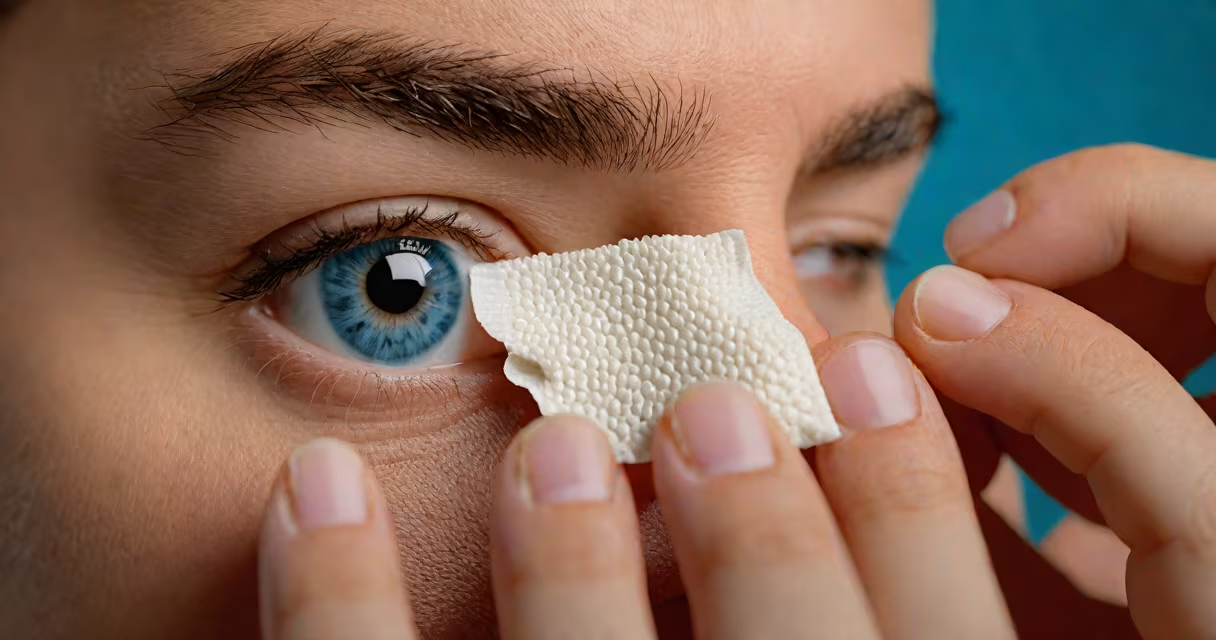
A corneal abrasion is a scratch on the surface of your eye, typically causing sharp pain, light sensitivity, and tearing. Pain relief involves reducing inflammation, preventing infection, and promoting healing.
The cornea is one of the most sensitive tissues in the body, packed with nerve endings. When injured, it sends pain signals to the brain, often more intensely than a cut on the skin. The pain worsens with blinking because the eyelid rubs against the abrasion.
| Type | Cause | Typical Pain Level |
|---|---|---|
| Minor abrasion | Small debris or minor rubbing | Mild to moderate |
| Moderate abrasion | Finger scratch or small object impact | Moderate to severe |
| Severe abrasion | Large object impact or chemical exposure | Severe, may require medical intervention |
For minor abrasions, start with these steps:
For moderate to severe abrasions, seek medical attention immediately. A doctor may prescribe antibiotic ointment or drops to prevent infection and reduce pain.
Many people assume that pain relievers like ibuprofen or aspirin can help with corneal abrasion pain. However, these medications only address systemic pain and do little for localized eye discomfort., some believe that wearing an eye patch speeds up healing, but this can slow recovery by depriving the eye of oxygen.
Consult a healthcare provider if:
Doctors may prescribe numbing drops for severe pain, but these are usually limited to short-term use to avoid delaying healing.