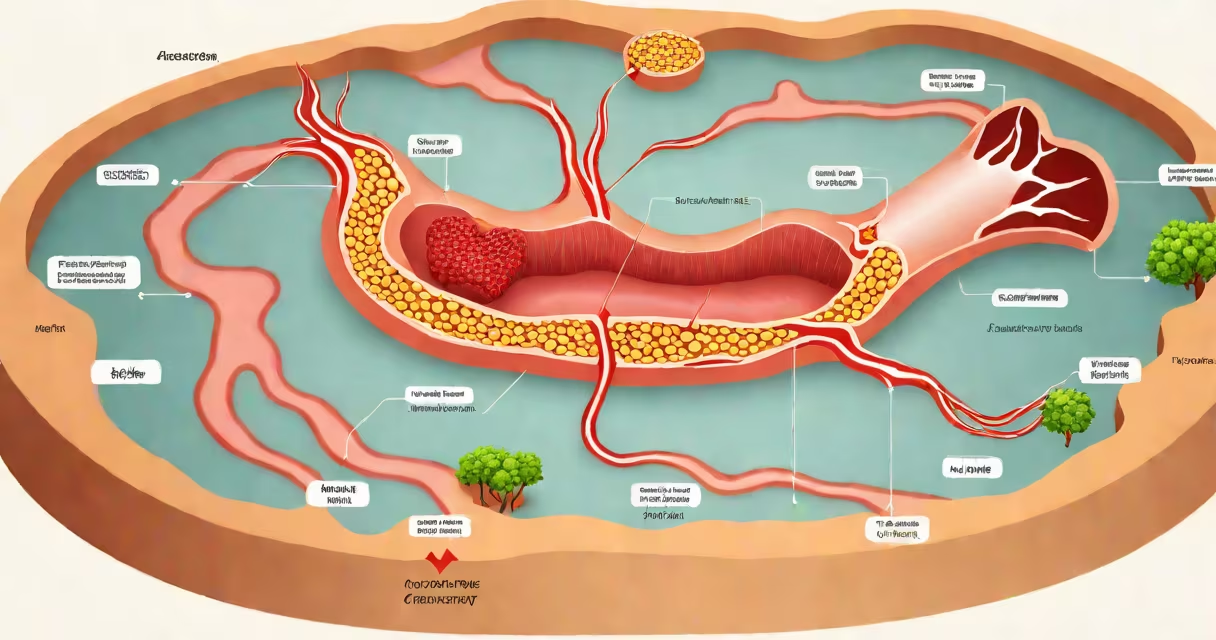
Coronary atherosclerosis is a condition where fatty deposits harden and narrow your coronary arteries, reducing blood flow to your heart. This progressive disease often leads to coronary artery disease, the most common type of heart disease.
Atherosclerosis begins with damage to the inner lining of your coronary arteries. This damage can result from high cholesterol, high blood pressure, smoking, or diabetes. Over time, fatty deposits called plaques build up in the damaged areas. These plaques consist of cholesterol, fibrous tissue, calcium, and other substances. As they grow, they harden and narrow the arteries, restricting blood flow.
Plaques fall into two main categories:
Many people confuse coronary atherosclerosis with general atherosclerosis, which can affect any artery in the body. While atherosclerosis can occur in arteries supplying the brain or legs, coronary atherosclerosis specifically impacts the heart's blood vessels. Another misconception is that it only affects older adults, but it can begin in early adulthood and progress silently for years.
During my time volunteering at a cardiology clinic, I observed a patient in their 40s who experienced chest pain during physical exertion. Tests revealed significant plaque buildup in their coronary arteries, despite the patient having no prior symptoms. This case highlighted how coronary atherosclerosis can develop insidiously, often without warning signs until a major event occurs.
Lifestyle changes like a heart-healthy diet, regular exercise, and avoiding smoking can help prevent coronary atherosclerosis. Medications such as statins may be prescribed to lower cholesterol levels. In severe cases, procedures like angioplasty or coronary artery bypass grafting (CABG) are used to restore blood flow. Regular check-ups and monitoring cholesterol levels are important for early detection and management.