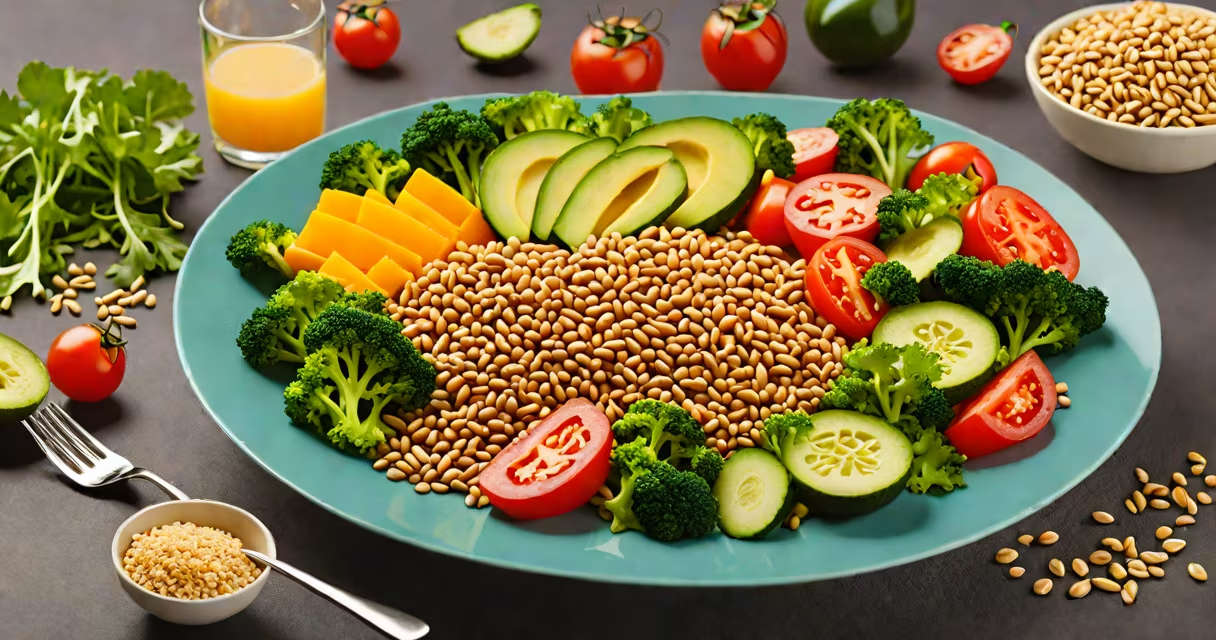
A diet for low belly fat focuses on reducing visceral fat-the dangerous fat surrounding internal organs-through targeted nutrition and lifestyle changes. Unlike spot reduction myths, this approach combines specific foods, portion control, and consistent habits.
Visceral fat lies deep within the abdominal cavity, wrapping around important organs like the liver and intestines. Unlike subcutaneous fat (the pinchable fat under the skin), visceral fat actively releases hormones and inflammatory substances linked to metabolic disorders. The Harvard T.H. Chan School of Public Health notes that visceral fat increases risks for heart disease, type 2 diabetes, and certain cancers.
The most effective diets for low belly fat emphasize whole, minimally processed foods. Here's a breakdown:
Many people confuse a diet for low belly fat with crash diets or extreme calorie restriction. These approaches often backfire, leading to muscle loss and slower metabolism. Instead, focus on sustainable changes:
Breakfast: Greek yogurt with berries and chia seeds
Lunch: Grilled chicken salad with mixed greens, avocado, and olive oil dressing
Snack: A handful of almonds and an apple
Dinner: Baked salmon with quinoa and steamed broccoli
This meal plan provides balanced macros, fiber, and healthy fats to keep you full and support fat loss.