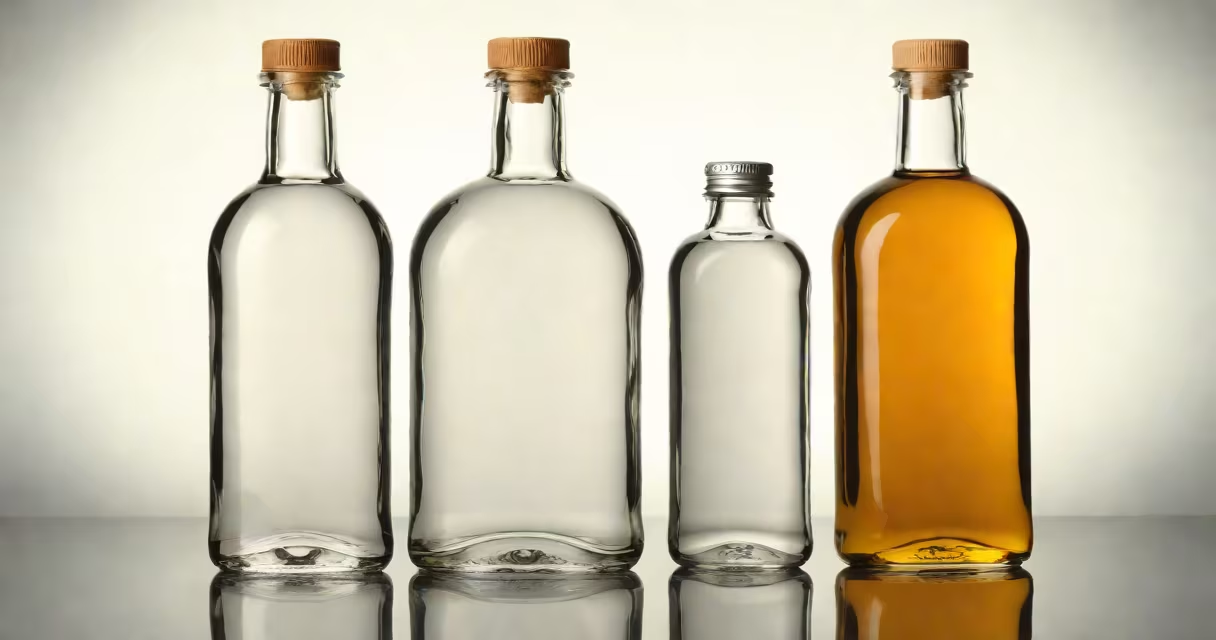
Ethyl alcohol (ethanol) and isopropyl alcohol (isopropanol) are both clear, colorless liquids used as disinfectants, but they differ in chemical structure, effectiveness, and applications.
Both alcohols kill bacteria and viruses by denaturing their proteins. Ethyl alcohol evaporates slower, making it better for hand sanitizers. Isopropyl alcohol evaporates faster, making it better for cleaning electronics.
| Type | Common Uses | Concentration |
|---|---|---|
| Ethyl Alcohol | Hand sanitizers, beverages, fuel | 40%-95% |
| Isopropyl Alcohol | Disinfectants, cleaning electronics, medical sterilization | 70%-99% |
Many confuse ethyl alcohol with drinking alcohol. While ethanol is safe to consume, isopropyl alcohol is toxic and should never be ingested. The FDA prohibits isopropyl alcohol in food and drinks.
For disinfecting surfaces, a 70% solution of either alcohol works best. To clean a phone screen, isopropyl alcohol is preferred due to its faster evaporation. For making hand sanitizer, ethyl alcohol is often used because it's gentler on skin.
I once used isopropyl alcohol to clean a spilled drink from a laptop keyboard. It worked perfectly without damaging the electronics, proving its effectiveness in tech cleaning.
Understanding the differences between ethyl alcohol and isopropyl alcohol helps in choosing the right product for specific needs. For those dealing with alcohol addiction, detoxing from alcohol requires professional medical support due to the risks involved with withdrawal.