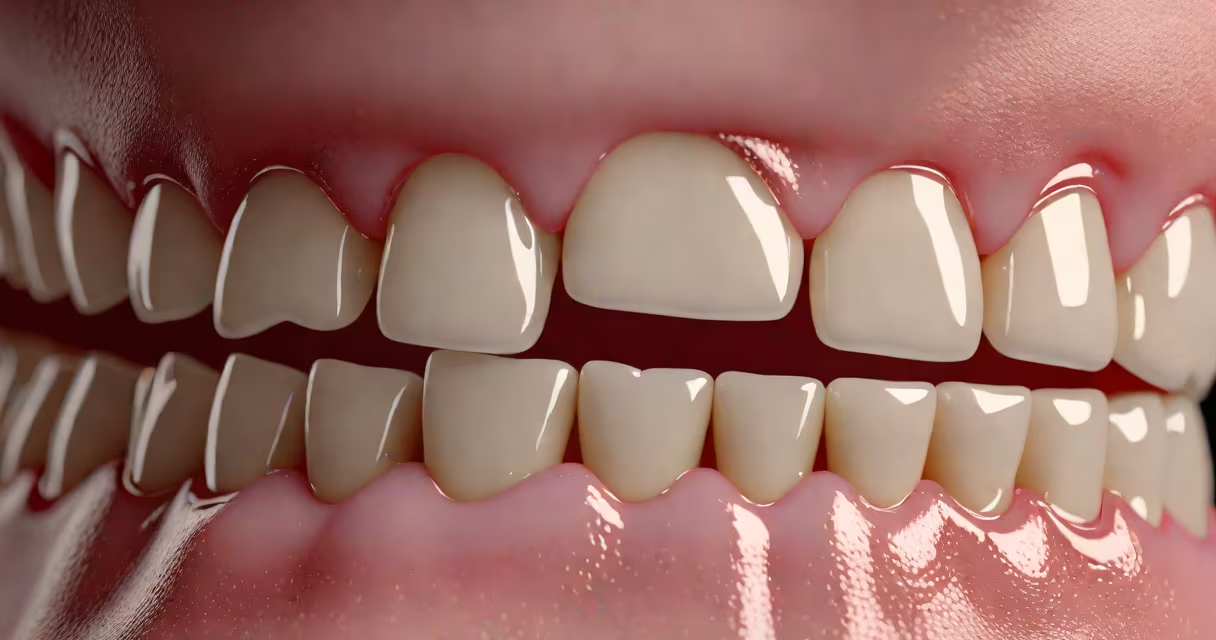
Extreme gum swelling is abnormal enlargement of gum tissue, often caused by infection, injury, or systemic conditions. It can indicate serious oral health issues requiring immediate attention.
Gum tissue swells when fluid accumulates in response to irritation or infection. This occurs due to increased blood flow and immune cell activity in the affected area. The body's inflammatory response aims to protect and heal the tissue, but excessive swelling can cause pain, difficulty eating, and other complications.
Extreme gum swelling can result from various factors:
While mild gum swelling may resolve with proper oral hygiene, extreme gum swelling often requires professional intervention. Seek immediate dental care if you experience:
These symptoms may indicate a serious infection or abscess that requires urgent treatment.
Many people confuse extreme gum swelling with normal gum inflammation. While minor swelling can occur due to aggressive brushing or flossing, extreme gum swelling is typically a sign of a more serious underlying issue. Another misconception is that gum swelling always indicates poor oral hygiene. While hygiene plays a role, systemic conditions and genetic factors can also contribute to gum problems.
Treatment depends on the underlying cause. For periodontal disease, deep cleaning procedures like scaling and root planing are often recommended. Antibiotics may be prescribed for infections. In cases of allergic reactions, identifying and avoiding the allergen is important. For systemic conditions, managing the underlying disease is essential for improving gum health.
I once treated a patient with extreme gum swelling caused by an undiagnosed dental abscess. After draining the abscess and prescribing antibiotics, the swelling subsided within 48 hours. This case highlighted the importance of prompt dental care for severe gum issues.