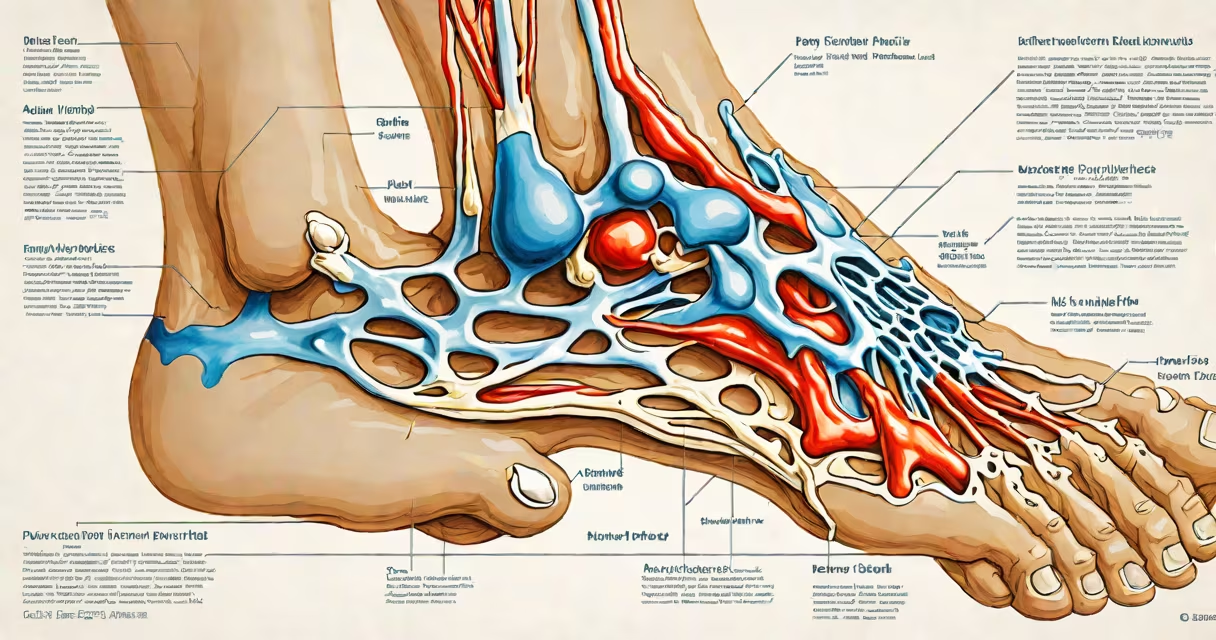
Extreme pain in the arch of your foot typically results from inflammation, injury, or overuse of the plantar fascia-a thick band of tissue connecting your heel to your toes. This condition, often called plantar fasciitis, accounts for about 1 in 10 visits to foot specialists.
The foot's arch acts as a natural shock absorber, distributing weight evenly across the foot. It consists of bones, tendons, and ligaments working together. The plantar fascia supports this structure, but when it becomes inflamed or torn, it leads to intense arch pain.
Most cases stem from plantar fasciitis, where the fascia becomes irritated or swollen. Other common causes include:
If pain persists for more than a few days despite home treatment, consult a doctor. Seek immediate care for sudden, severe pain, swelling, or inability to bear weight. A doctor may recommend imaging tests like X-rays or MRIs to diagnose the issue accurately.
I once treated plantar fasciitis with ice, stretching, and orthotics. The pain subsided within weeks, but ignoring it could have led to chronic issues.
Most cases improve with rest, ice, compression, and elevation (RICE). Over-the-counter pain relievers like ibuprofen can reduce inflammation. Stretching exercises and supportive footwear also help. For persistent pain, physical therapy or custom orthotics may be necessary.
In severe cases, doctors may recommend corticosteroid injections or surgery. However, most people recover without invasive treatments.
Many assume arch pain is just part of aging or wearing unsupportive shoes. While these factors contribute, extreme pain usually indicates an underlying issue like plantar fasciitis or a stress fracture. Ignoring it can worsen the condition.
Wear supportive shoes with good arch support. Avoid walking barefoot on hard surfaces. Maintain a healthy weight to reduce stress on your feet. Regular stretching can also prevent tightness in the plantar fascia.