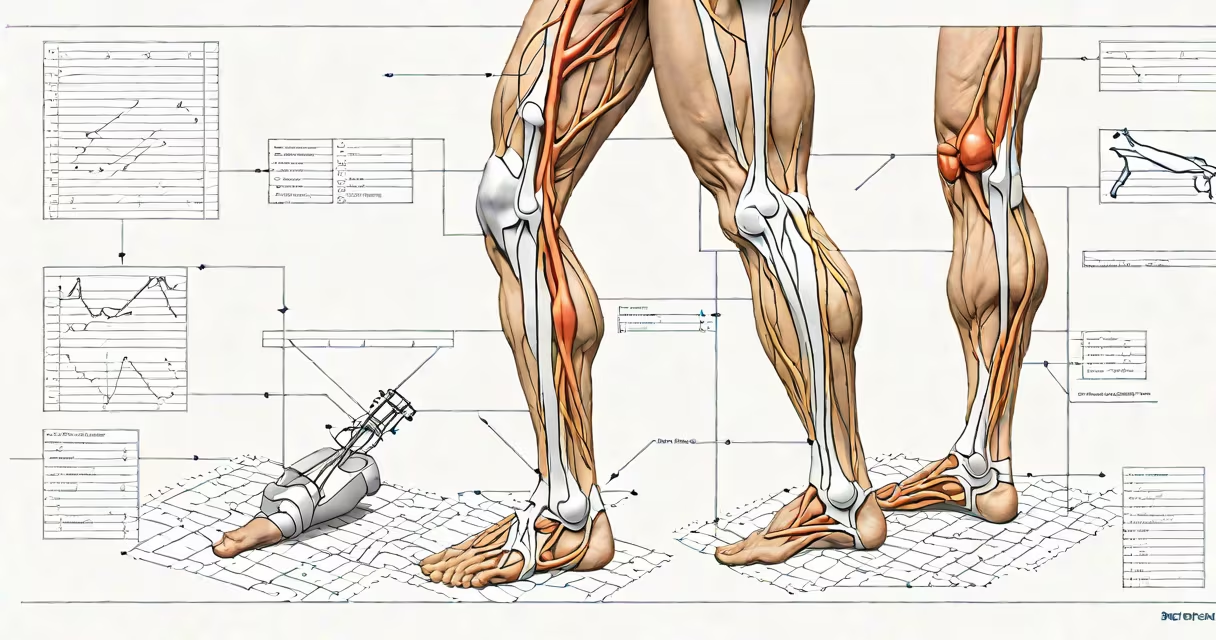
Extreme leg cramps are sudden, involuntary contractions of leg muscles that cause intense pain and temporary immobility. These cramps often occur at night during sleep, disrupting rest and causing discomfort.
Leg cramps happen when muscles contract involuntarily and cannot relax. This is often due to overuse, dehydration, or electrolyte imbalances. The most common muscles affected are the calves, though quadriceps and hamstrings can also cramp.
The cramping sensation results from a buildup of lactic acid and other waste products in the muscle, triggering nerve endings and causing pain. The duration of a cramp can range from a few seconds to several minutes.
There are three primary types of leg cramps:
Extreme leg cramps can be caused by various factors, including:
In some cases, extreme leg cramps may be a symptom of an underlying condition, such as peripheral artery disease or diabetes. If cramps are frequent or severe, consulting a healthcare provider is essential.
While most leg cramps are harmless, persistent or severe cramps may indicate a more serious issue. Seek medical attention if:
To relieve leg cramps, gently stretch the affected muscle. For example, stand on the cramped leg and bend the knee slightly to stretch the calf. Massaging the muscle and applying heat can also help.
Preventing leg cramps involves staying hydrated, maintaining a balanced diet rich in electrolytes, and avoiding overexertion. Wearing supportive footwear and warming up before exercise can also reduce the risk of cramps.
If you experience extreme leg cramps regularly, consider consulting a healthcare provider to rule out underlying conditions and develop a personalized treatment plan.