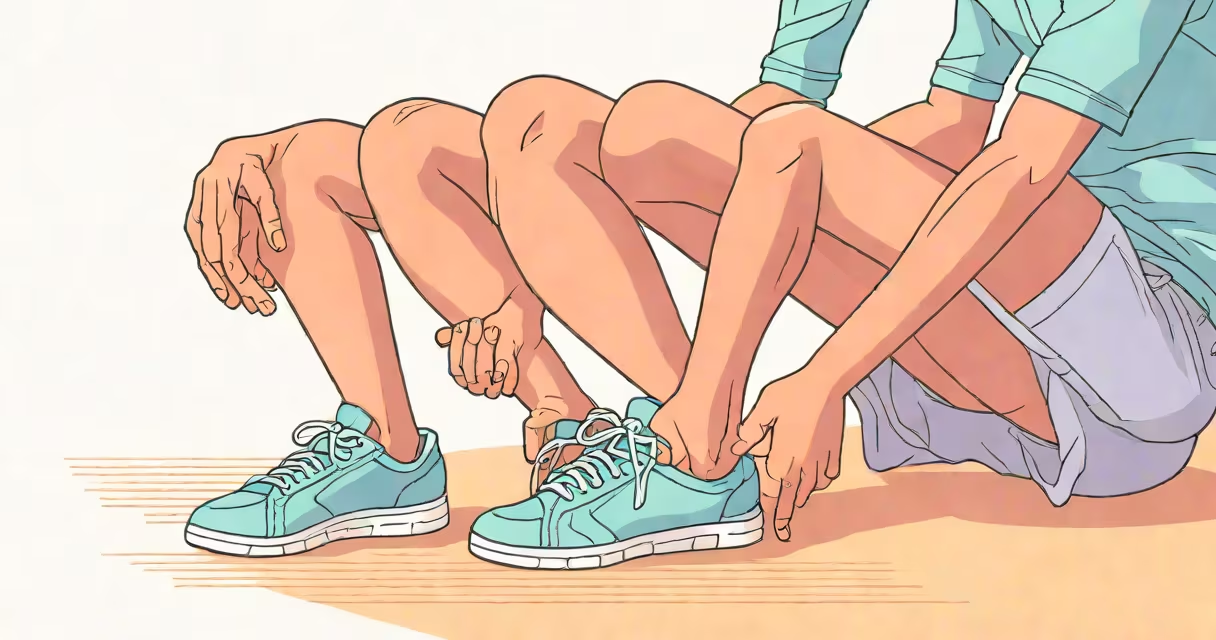
An extremely painful leg cramp is a sudden, involuntary contraction of a leg muscle that lasts seconds to minutes, often described as a sharp, stabbing pain. These cramps typically affect the calf muscles but can occur anywhere in the leg.
A cramp happens when a muscle contracts too forcefully or cannot relax. This disrupts the balance between the signals from nerves telling the muscle to contract and those telling it to relax. During a cramp, the affected muscle becomes hard to the touch and may appear visibly distorted.
Leg cramps fall into three categories:
Most extremely painful leg cramps are true cramps, particularly in the calf.
Several factors contribute to leg cramps:
| Cause | Example |
|---|---|
| Dehydration | Intense exercise without enough water intake |
| Electrolyte imbalance | Low potassium or magnesium levels from poor diet |
| Overuse | Running a marathon without proper training |
| Poor circulation | Peripheral artery disease restricting blood flow |
Nighttime leg cramps, often called charley horses, are particularly common in older adults and pregnant women.
To stop a cramp, gently stretch and massage the affected muscle. For example, stand on the cramped leg and bend the knee slightly to stretch the calf. Hydration and electrolyte replenishment can prevent future cramps. Wearing supportive shoes and avoiding prolonged sitting can also help.
If cramps persist or worsen, consult a doctor to rule out underlying conditions like diabetes or nerve damage.
Many believe stretching before bed prevents nighttime cramps, but research shows evidence is limited. A study published in JAMA found no significant difference in cramp frequency between those who stretched and those who didn't.
Another myth is that bananas cure cramps due to their potassium content. While potassium is essential, most people get enough from their diet, and low potassium rarely causes cramps.
I once experienced an extremely painful leg cramp during a nighttime run. Stretching my calf immediately eased the pain, but it took hours for the muscle to fully relax. Since then, I've made sure to stay hydrated and warm up properly before exercise.