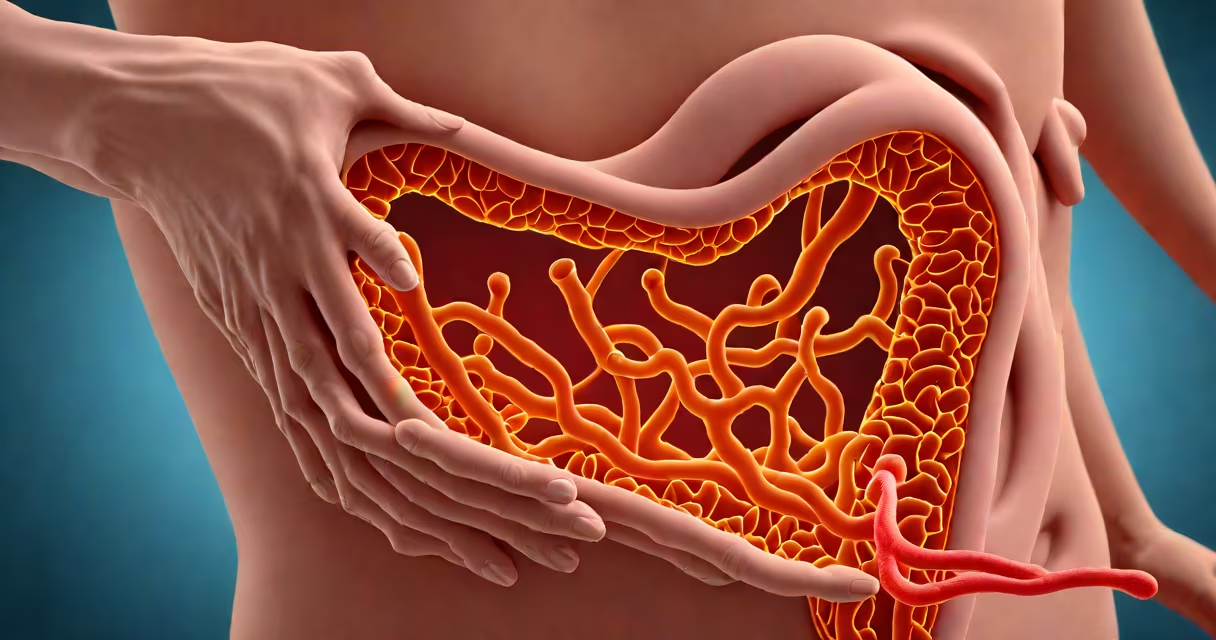
Gastritis without bleeding is inflammation of the stomach lining that doesn't cause internal bleeding, typically triggered by infections, medications, or autoimmune responses.
How Gastritis Without Bleeding Works
Main Causes and Types
Gastritis without bleeding has several common causes:
Helicobacter pylori infection: This bacteria weakens the stomach lining, leading to inflammation.
Nonsteroidal anti-inflammatory drugs (NSAIDs): Medications like ibuprofen or aspirin can irritate the stomach lining.
Autoimmune reactions: The immune system may mistakenly attack stomach cells, reducing acid production.
Alcohol consumption: Excessive alcohol can erode the protective stomach lining.
Symptoms and Diagnosis
Symptoms of gastritis without bleeding include:
Upper abdominal pain or burning
Nausea and vomiting
Indigestion
Loss of appetite
Treatment and Prevention
Treatment focuses on reducing inflammation and addressing the underlying cause. Options include:
Antibiotics: For H. pylori infections.
Proton pump inhibitors (PPIs): To reduce stomach acid.
Avoiding triggers: Limiting NSAIDs, alcohol, and spicy foods.
Preventive measures include maintaining a balanced diet, managing stress, and avoiding excessive alcohol.
When to See a Doctor
If symptoms persist for more than a few days or worsen, consult a healthcare provider. Chronic gastritis can lead to complications like ulcers or stomach cancer if left untreated.