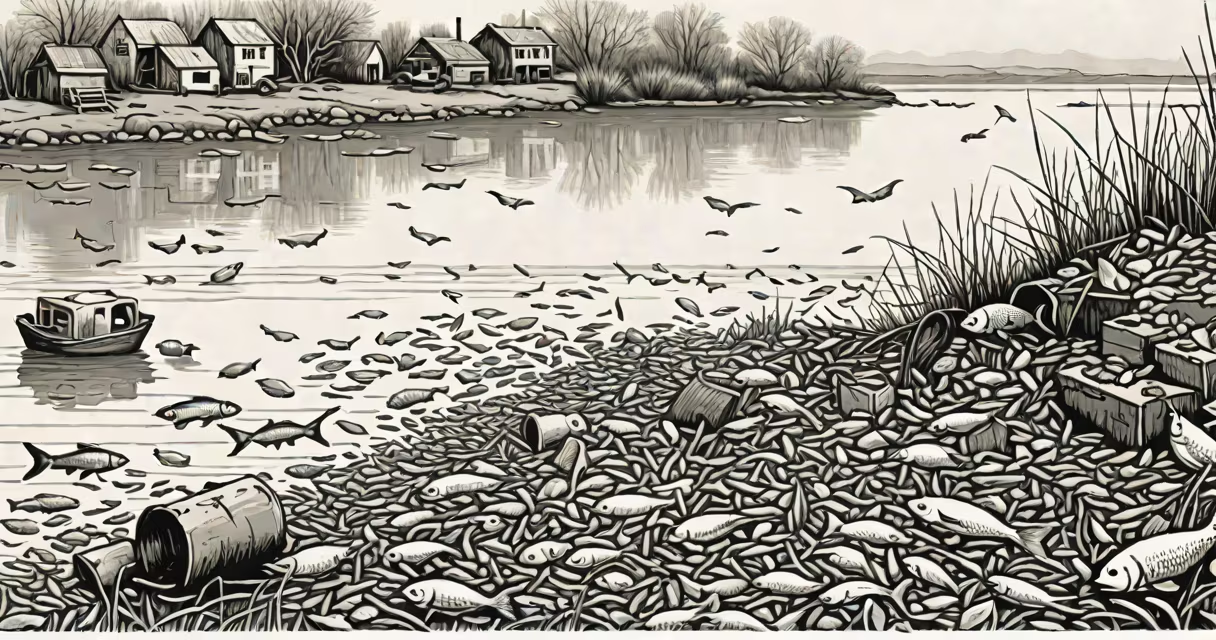
Pollution harms animals through habitat destruction, poisoning, and climate disruption, with marine life suffering the most from plastic waste and chemical runoff.
Pollution affects animals in three primary ways: direct poisoning, habitat destruction, and climate disruption. Direct poisoning occurs when animals ingest or absorb toxic substances. Habitat destruction happens when pollution renders ecosystems uninhabitable. Climate disruption alters temperature and weather patterns, making survival difficult.
Marine life suffers the most from plastic pollution. According to the National Geographic Society, over 8 million tons of plastic enter oceans annually. Sea turtles often mistake plastic bags for jellyfish, their primary food source, leading to fatal blockages. Seabirds ingest plastic, which can cause starvation, lacerations, and death.
The primary sources of pollution affecting animals are industrial waste, agricultural runoff, plastic waste, and air pollution.
Pollution affects various ecosystems differently. In freshwater systems, agricultural runoff causes algal blooms that deplete oxygen, leading to fish kills. In marine environments, plastic pollution entangles and is ingested by sea life. Terrestrial ecosystems suffer from acid rain, which damages forests and soils, harming plant and animal life.
In urban areas, pollution from vehicles and industries affects birds and small mammals. For instance, lead from ammunition fragments in hunting areas poisons scavengers like eagles and vultures. In rural areas, pesticide use reduces insect populations, disrupting food chains that support birds and other wildlife.
Reducing pollution requires collective action. Individuals can reduce plastic use, properly dispose of waste, and support conservation efforts. Governments can enforce stricter regulations on industrial emissions and agricultural practices. Organizations can promote clean-up initiatives and research into pollution's effects on wildlife.
Pollution severely affects animals through poisoning, habitat destruction, and climate disruption. Understanding these impacts and taking action can help protect wildlife and preserve ecosystems for future generations.