Shopify is an e-commerce platform that lets sellers create online stores, manage products, and process orders. It handles hosting, security, and payments, allowing sellers to focus on marketing and customer service.
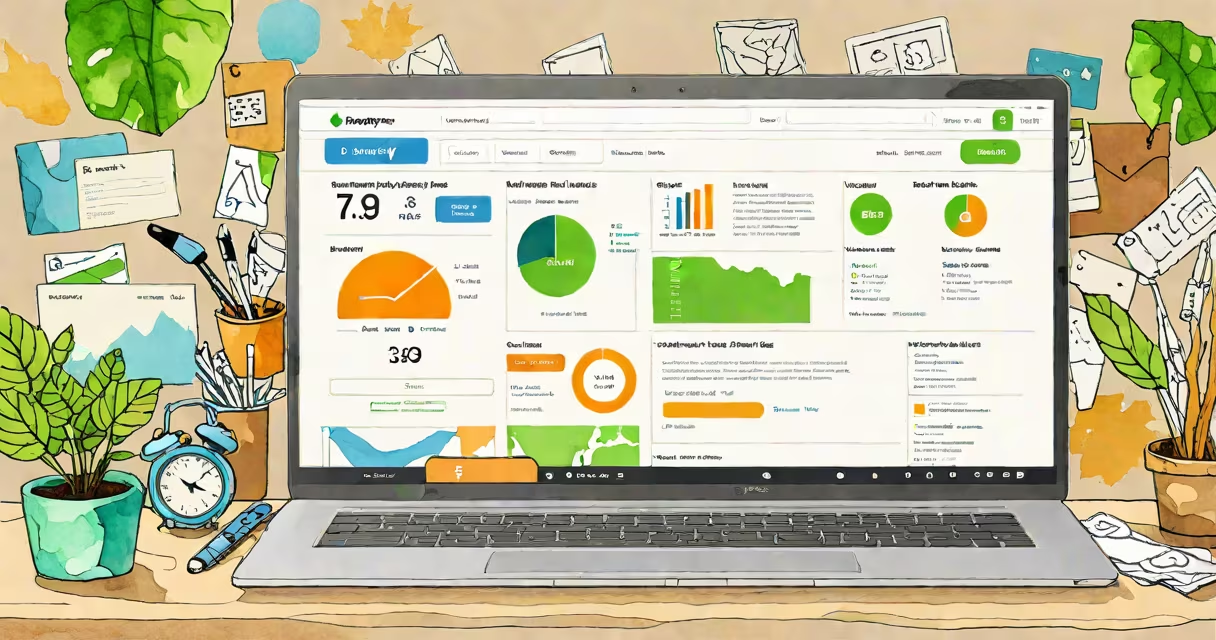
Shopify provides a centralized dashboard where sellers can manage their entire online business. This includes adding products, processing orders, and analyzing sales performance. The platform offers customizable storefronts, secure checkout, and integrations with various apps and services.
Shopify offers several key features that simplify the selling process:
To start selling on Shopify, follow these steps:
Once your store is live, use Shopify's dashboard to manage daily operations. This includes processing orders, responding to customer inquiries, and updating product listings. Shopify's app store offers additional tools for inventory management, customer relationship management (CRM), and marketing automation.
Many sellers confuse Shopify with other e-commerce platforms like WooCommerce or BigCommerce. While these platforms offer similar functionalities, Shopify stands out for its ease of use and complete support. Unlike self-hosted solutions, Shopify handles all technical aspects, including security and updates, making it ideal for beginners and experienced sellers alike.
Another misconception is that Shopify is only for small businesses. In reality, Shopify supports businesses of all sizes, from small startups to large enterprises. Brands like Gymshark and Allbirds use Shopify to power their online stores, demonstrating its scalability and flexibility.
When I set up my first Shopify store, I was impressed by how quickly I could get everything running. Within a few hours, I had a fully functional online store with a custom design and product listings. The platform's intuitive interface made it easy to go through, even for someone new to e-commerce.