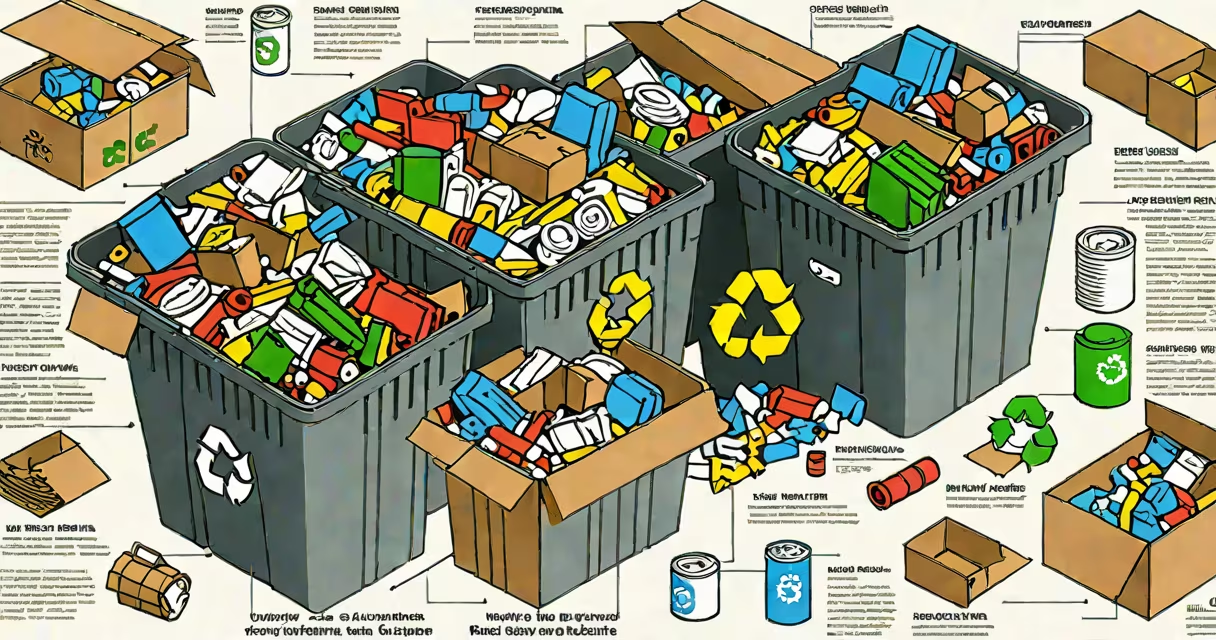
Recycling helps Earth by reducing waste sent to landfills, conserving natural resources, and lowering energy use through material reuse. This process transforms discarded items into new products, cutting pollution and greenhouse gas emissions.
Recycling involves collecting, processing, and manufacturing used materials into new products. For example, aluminum cans are melted and reshaped into new cans, while paper is pulped and reformed into cardboard. The U.S. Environmental Protection Agency (EPA) reports that recycling and composting activities in the U.S. diverted more than 94 million tons of materials away from landfills and incinerators in 2017.
| Material | Common Uses | Recycled Into |
|---|---|---|
| Paper | Newspapers, cardboard boxes | New paper products, packaging |
| Plastic | Bottles, containers | New plastic products, textiles |
| Metal | Cans, appliances | New metal products, construction materials |
| Glass | Bottles, jars | New glass containers |
Recycling programs operate worldwide in cities, towns, and even rural areas. Many communities mandate recycling to meet sustainability goals. For instance, San Francisco diverts over 80% of its waste from landfills through rigorous recycling and composting programs. Recycling reduces the need for raw material extraction, which preserves natural habitats and reduces pollution.
A common misconception is that recycling is always energy-efficient. While recycling aluminum saves up to 95% of the energy needed to produce new aluminum, recycling some plastics can be less efficient due to contamination and sorting challenges. The EPA emphasizes proper sorting to maximize efficiency.
Aluminum cans are highly recyclable. Recycling one ton of aluminum saves about 14,000 kilowatt-hours of energy, equivalent to what a typical U.S. home uses in 12 months. The Aluminum Association notes that 75% of all aluminum ever produced is still in use today, thanks to recycling.
I participated in a local recycling drive where we collected over 500 pounds of aluminum cans in one weekend. The proceeds funded a community garden, demonstrating how recycling can support both environmental and social initiatives.
See how recycling supports Earth's ecosystems