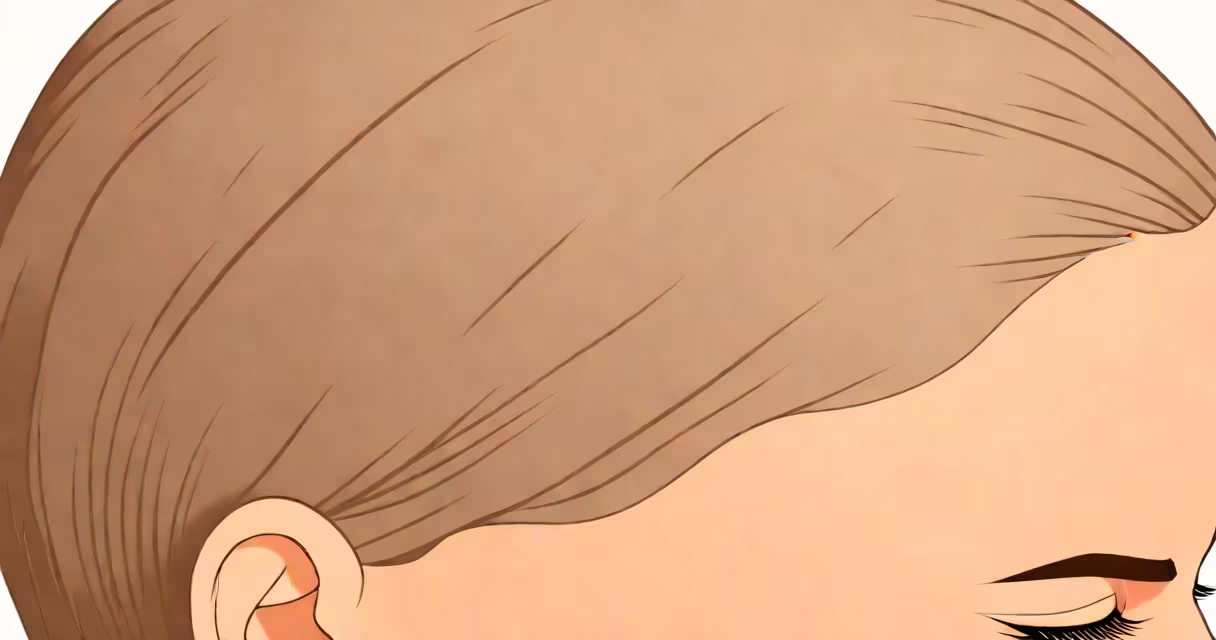
Alopecia is a medical term for hair loss, which occurs when the immune system mistakenly attacks hair follicles. The most common form, alopecia areata, creates small, round patches of baldness on the scalp or other parts of the body.
The immune system normally protects the body from harmful invaders like bacteria and viruses. However, in people with alopecia areata, the immune system attacks hair follicles, the structures in the skin that produce hair. This attack halts hair production and causes hair to fall out.
Researchers are still unsure why the immune system targets hair follicles. Genetic factors play a role, as alopecia areata tends to run in families. Environmental triggers, such as stress or illness, may also contribute.
| Type | Description | Common Affected Areas |
|---|---|---|
| Alopecia Areata | Patchy hair loss due to immune system attack | Scalp, beard, eyebrows, eyelashes |
| Alopecia Totalis | Complete loss of scalp hair | Entire scalp |
| Alopecia Universalis | Loss of all body hair, including eyebrows and eyelashes | Entire body |
| Androgenetic Alopecia | Hormone-related hair loss, often called male or female pattern baldness | Top and front of scalp |
Many people assume alopecia is solely caused by stress or poor diet. While these factors can exacerbate hair loss, they are not the primary cause of alopecia areata. The condition is primarily driven by an autoimmune response.
Another misconception is that alopecia only affects men. In reality, both men and women can develop alopecia areata, though the patterns of hair loss may differ.
There is no cure for alopecia areata, but treatments can help hair regrow and prevent further loss. Common treatments include corticosteroids, which suppress the immune system, and topical immunotherapy, which stimulates the immune system to reduce its attack on hair follicles.
Other options include minoxidil, a topical solution that promotes hair growth, and platelet-rich plasma (PRP) therapy, which uses the patient's own blood to stimulate hair follicles. In severe cases, wigs or hairpieces can provide a cosmetic solution.
I once worked with a client who developed alopecia areata after a stressful life event. We explored various treatments, and she found success with a combination of minoxidil and stress management techniques. Her experience highlighted the importance of addressing both the physical and emotional aspects of the condition.
If you notice sudden hair loss or patches of baldness, consult a healthcare provider. Early diagnosis and treatment can improve outcomes. A dermatologist can diagnose alopecia areata by examining the affected areas and may perform a biopsy to confirm the diagnosis.
In some cases, alopecia areata may resolve on its own, but recurrence is common. Ongoing management and regular check-ups with a healthcare provider are essential for long-term care.
If you're dealing with hair loss, understanding the underlying causes and available treatments can help you make informed decisions. For more insights on managing personal challenges, explore strategies for overcoming difficult situations.