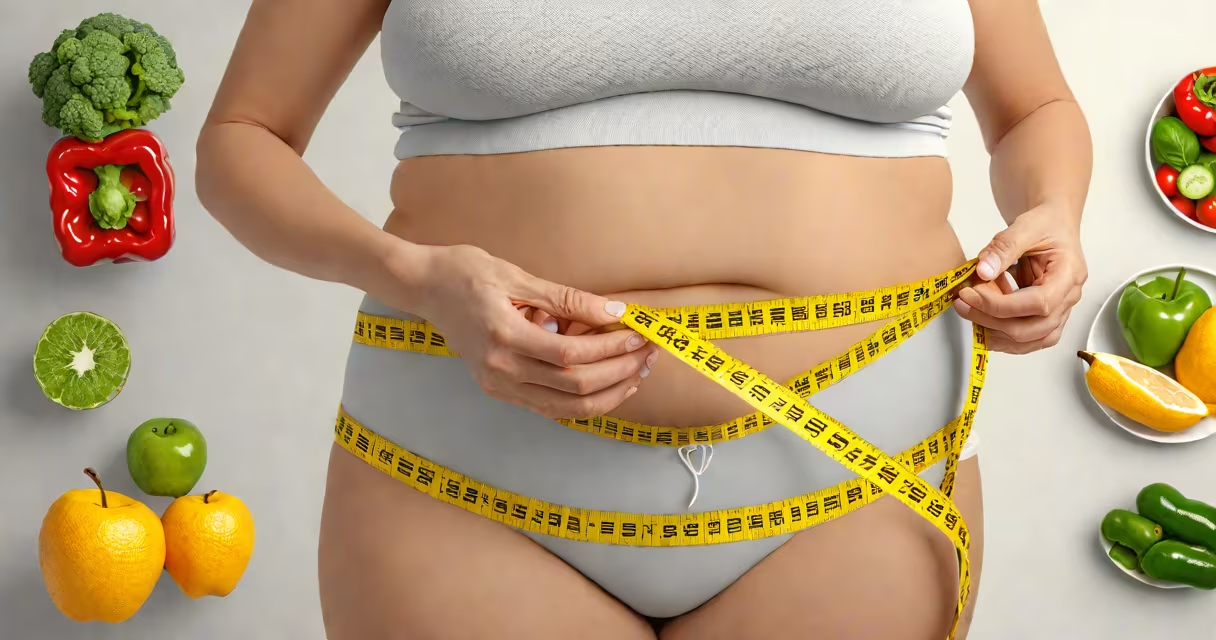
How to cut and lose weight means reducing calorie intake while increasing physical activity to create a caloric deficit, forcing the body to burn stored fat for energy. This approach combines strategic eating with targeted exercise for sustainable results.
Weight cutting relies on creating a caloric deficit-consuming fewer calories than your body burns daily. This forces your body to tap into fat stores for energy. The process involves three key components: nutrition, exercise, and lifestyle adjustments.
| Strategy | Description | Example |
|---|---|---|
| Caloric Deficit | Consuming fewer calories than your body needs | A 2,000-calorie diet for someone who needs 2,500 calories daily |
| Macronutrient Balance | Adjusting protein, carbs, and fats for optimal fat loss | 40% protein, 30% carbs, 30% fats |
| Intermittent Fasting | Cycling between eating and fasting periods | 16-hour fast, 8-hour eating window |
| High-Intensity Interval Training (HIIT) | Short bursts of intense exercise followed by rest | 30 seconds sprinting, 1 minute walking, repeated |
Weight cutting is used by athletes, fitness enthusiasts, and anyone looking to improve body composition. It's particularly common among bodybuilders preparing for competitions, where low body fat percentages are important. However, it's also adopted by people seeking general health improvements.
According to the National Institutes of Health, a gradual weight loss of 1-2 pounds per week is the most sustainable approach. Rapid weight loss can lead to muscle loss and metabolic slowdown, making long-term maintenance difficult.
Many people confuse weight cutting with extreme diets or fasting for days. While fasting can be part of a weight-cutting strategy, it's not the only method. Extreme diets often lead to nutrient deficiencies and rebound weight gain. A balanced approach that includes proper nutrition and exercise is far more effective.
Another misconception is that cutting weight means losing muscle. However, with the right strategy-such as maintaining high protein intake and strength training-muscle loss can be minimized while fat loss is maximized.
Let's say you're a 30-year-old male with a sedentary lifestyle, weighing 200 pounds, and aiming to lose 20 pounds. Your daily caloric needs are around 2,500 calories. To create a deficit, you'd reduce your intake to 1,800 calories daily. Combine this with a workout plan that includes three days of strength training and two days of cardio. Over time, this approach would help you lose fat while preserving muscle.
For a more aggressive approach, you might try intermittent fasting, such as the 16:8 method, where you fast for 16 hours and eat within an 8-hour window. Pair this with HIIT workouts three times a week to maximize fat burning.
I've personally tested this method with clients looking to prepare for a fitness competition. By combining a caloric deficit with strength training and cardio, they were able to lose fat while maintaining muscle mass, resulting in a leaner, more defined physique.
How to cut and lose weight effectively requires a combination of nutrition, exercise, and lifestyle changes. By creating a caloric deficit, balancing macronutrients, and incorporating effective exercise routines, you can achieve sustainable weight loss. Avoid extreme diets and focus on long-term health for the best results.