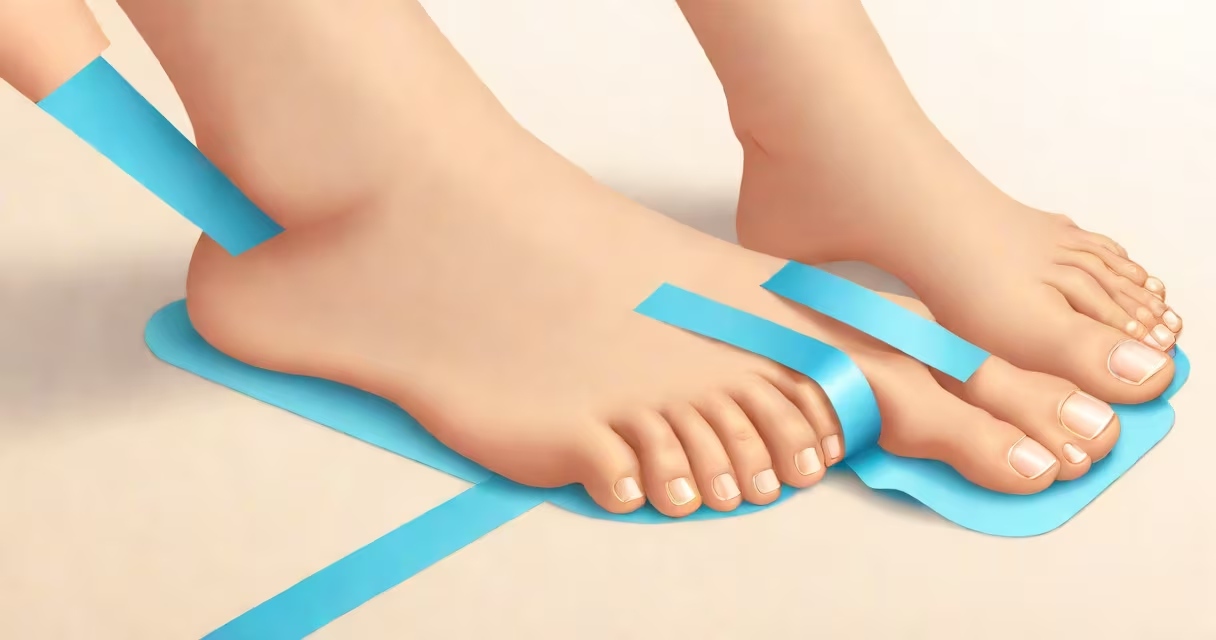
A torn foot ligament requires immediate rest, compression, elevation, and medical evaluation to prevent further damage and promote healing. Treatment varies by severity but typically includes immobilization and physical therapy.
Ligaments connect bones to stabilize joints. Tears occur from sudden twists, overuse, or direct impact. The most common site is the ankle, but ligaments in the foot's arch or toes can also tear. Athletes and older adults with weakened tissues are particularly vulnerable.
| Injury Type | Location | Common Cause |
|---|---|---|
| Ankle Sprain | Lateral ankle ligaments | Sudden inversion (foot turning inward) |
| Lisfranc Injury | Midfoot ligaments | Direct trauma or excessive force |
| Plantar Plate Tear | Toe ligaments | Repetitive stress or trauma |
Follow the RICE protocol immediately after injury:
Over-the-counter pain relievers like ibuprofen can reduce inflammation.
Doctors diagnose ligament tears through physical exams and imaging. Treatment depends on severity:
Most mild to moderate tears heal within 6-8 weeks. Severe tears may take 3-6 months. Full recovery depends on adherence to rehabilitation protocols. Athletes often return to play after 2-3 months with proper treatment.
I treated a Grade 2 tear by wearing a walking boot for six weeks and doing daily range-of-motion exercises. The key was patience-rushing back to normal activities risks re-injury.
Seek immediate medical attention if you experience:
Untreated ligament tears can lead to chronic instability or arthritis. Early intervention improves outcomes.