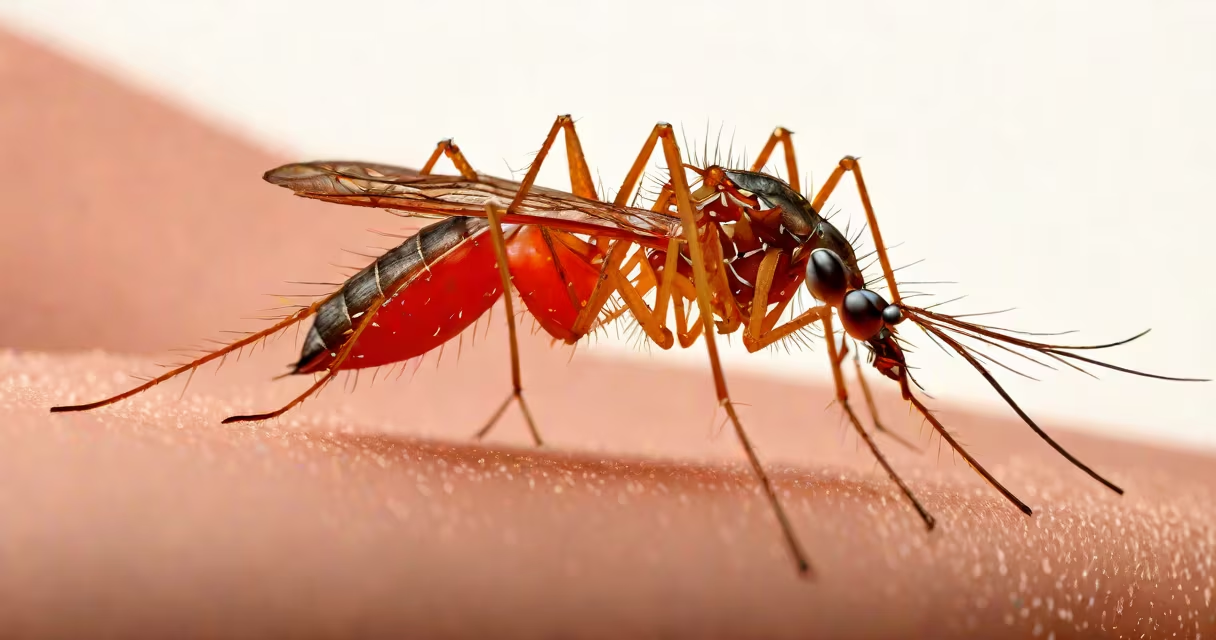
Itchy bites occur when your skin reacts to allergens in saliva or venom left behind by insects like mosquitoes, ants, or fleas. To stop the itch, apply ice for 10 minutes to reduce swelling, then use an over-the-counter hydrocortisone cream or oral antihistamine.
When an insect bites you, it often injects saliva containing proteins that trigger your immune system. Your body releases histamine, a compound that causes blood vessels to dilate and itch receptors to activate. This reaction happens within minutes but can last for hours or even days.
The fastest way to stop itching is to cool the area. Wrap an ice cube in a clean cloth and hold it against the bite for 10 minutes. Alternatively, use a cold compress or run the bite under cool water. Avoid scratching, which can introduce bacteria and cause infection.
For persistent itching, apply a thin layer of hydrocortisone cream (1%) to reduce inflammation. Oral antihistamines like diphenhydramine (Benadryl) or loratadine (Claritin) can also provide relief. Always follow package instructions for proper dosage.
Some people find relief using natural remedies like aloe vera gel, baking soda paste, or calamine lotion. While these may help soothe the skin, their effectiveness varies. The American Academy of Dermatology notes that while these remedies are generally safe, they may not work for everyone.
Seek medical attention if the bite becomes increasingly painful, swollen, or develops pus. Signs of an allergic reaction include difficulty breathing, rapid heartbeat, or dizziness. In rare cases, bites can cause cellulitis, a bacterial skin infection that requires antibiotics.