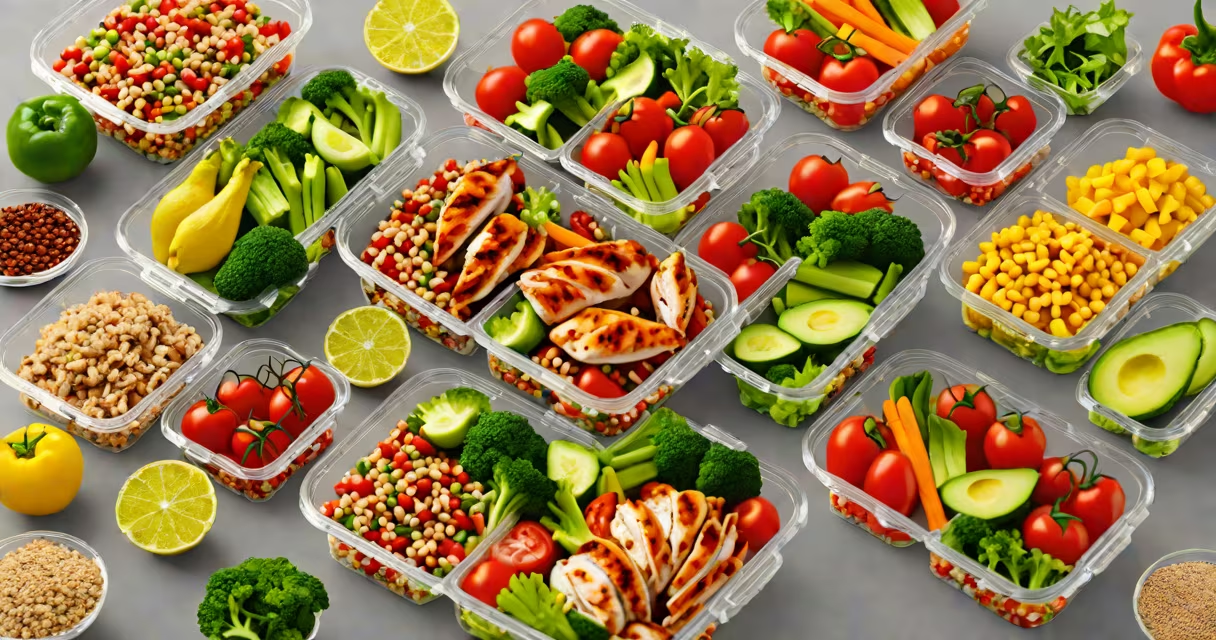
A lose weight in 5 days diet plan is a short-term eating strategy that combines severe calorie restriction, high-protein foods, and low-carb intake to reduce water weight and jumpstart fat loss. These plans typically cut daily calories to 1,200-1,500 and eliminate processed foods, sugar, and alcohol.
The diet relies on three mechanisms: calorie deficit, water loss, and metabolic boost. By consuming far fewer calories than your body burns, you force it to draw energy from stored fat. High-protein foods like lean meats and eggs preserve muscle while you lose fat. Low-carb intake reduces glycogen stores, causing your kidneys to excrete excess water.
For example, a 150-pound person might burn 2,500 calories daily. A 1,200-calorie diet creates a 1,300-calorie deficit. Over five days, this could lead to 3-5 pounds of weight loss, mostly from water and glycogen depletion.
Most plans follow this structure:
Many people confuse short-term crash diets with sustainable weight loss. A 2017 study in the International Journal of Obesity found that rapid weight loss often leads to rebound weight gain within weeks. The plan should not replace long-term healthy eating habits.
Another mistake is assuming all lost weight is fat. The initial drop includes water weight and glycogen, not just fat. For lasting results, pair the diet with exercise and gradual calorie reduction afterward.
On average, dieters lose 3-6 pounds in five days. Most of this is water weight, with minimal fat loss. Expect hunger, fatigue, and irritability during the first two days as your body adjusts. Some report clearer skin and better digestion from eliminating processed foods.
I tested a similar plan and lost 4 pounds in five days, but regained 2 pounds within a week of returning to normal eating. The weight returned because I didn't adjust my long-term habits.
For safer, slower weight loss, consider losing weight gradually with a balanced diet and regular exercise. A 2013 study in the American Journal of Clinical Nutrition found that losing 1-2 pounds per week is more sustainable than rapid weight loss.