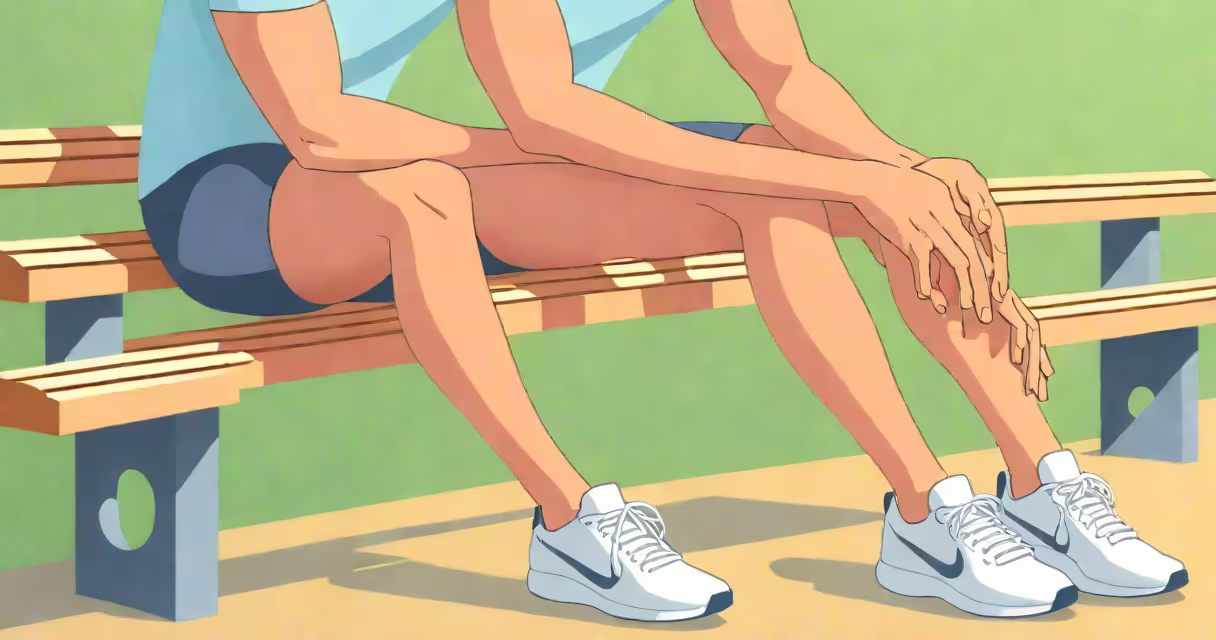
Muscle ache in thighs typically results from overexertion, injury, or underlying medical conditions. The most common causes include intense exercise, muscle strains, poor circulation, or nerve compression.
Thigh pain often begins as mild discomfort that worsens with movement. The quadriceps and hamstrings are most frequently affected due to their heavy use in daily activities. Overuse or sudden trauma can cause microtears in muscle fibers, leading to inflammation and pain.
| Type | Common Causes | Duration |
|---|---|---|
| Delayed Onset Muscle Soreness (DOMS) | Intense or unfamiliar exercise | 1-3 days |
| Muscle Strain | Overstretching or tearing | Days to weeks |
| Nerve Compression | Sciatica or piriformis syndrome | Weeks to months |
| Poor Circulation | Peripheral artery disease | Chronic |
While most thigh pain resolves with rest, persistent or severe pain may indicate deeper issues. Deep vein thrombosis (DVT) causes sudden, intense pain and requires immediate medical attention. According to the American Heart Association, DVT affects about 900,000 Americans yearly.
Another serious cause is ball ache, which can radiate to the thighs. This condition often stems from nerve issues or referred pain from other areas.
After running my first marathon, I experienced severe thigh pain for three days. The discomfort was concentrated in my quadriceps and hamstrings, making walking difficult. Rest, hydration, and gentle stretching helped resolve the issue within a week. This experience taught me the importance of proper warm-ups and gradual training increases.
Consult a healthcare professional if thigh pain persists beyond two weeks, worsens suddenly, or is accompanied by swelling, redness, or numbness. Early diagnosis and treatment can prevent complications and speed recovery.