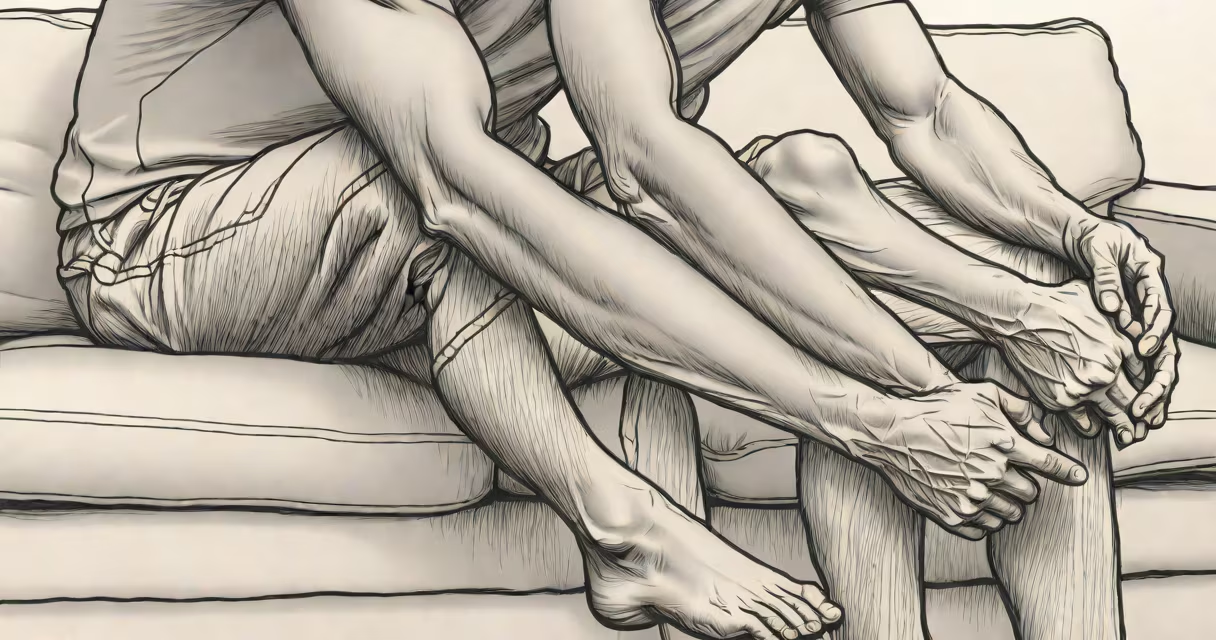
A muscle spasm in calf treatment includes immediate relief methods like stretching, massage, and hydration, along with long-term prevention strategies. These spasms occur when the calf muscles suddenly contract involuntarily, often due to dehydration, overexertion, or electrolyte imbalances.
Calf muscle spasms result from abrupt, uncontrolled contractions of the gastrocnemius and soleus muscles. These spasms can last from a few seconds to several minutes. Common triggers include intense exercise, prolonged standing, inadequate hydration, or mineral deficiencies like low potassium or magnesium levels.
Calf muscle spasms typically fall into three categories:
While cramps and spasms are usually temporary, strains may require longer recovery times.
When a spasm strikes, try these steps:
For persistent issues, consult a healthcare provider to rule out underlying conditions like peripheral artery disease or nerve compression.
To avoid recurring spasms, maintain proper hydration, stretch regularly, and ensure adequate intake of potassium, magnesium, and calcium. Gradually increase exercise intensity to avoid overexertion. If you experience frequent spasms, consider consulting a physical therapist for personalized exercises.