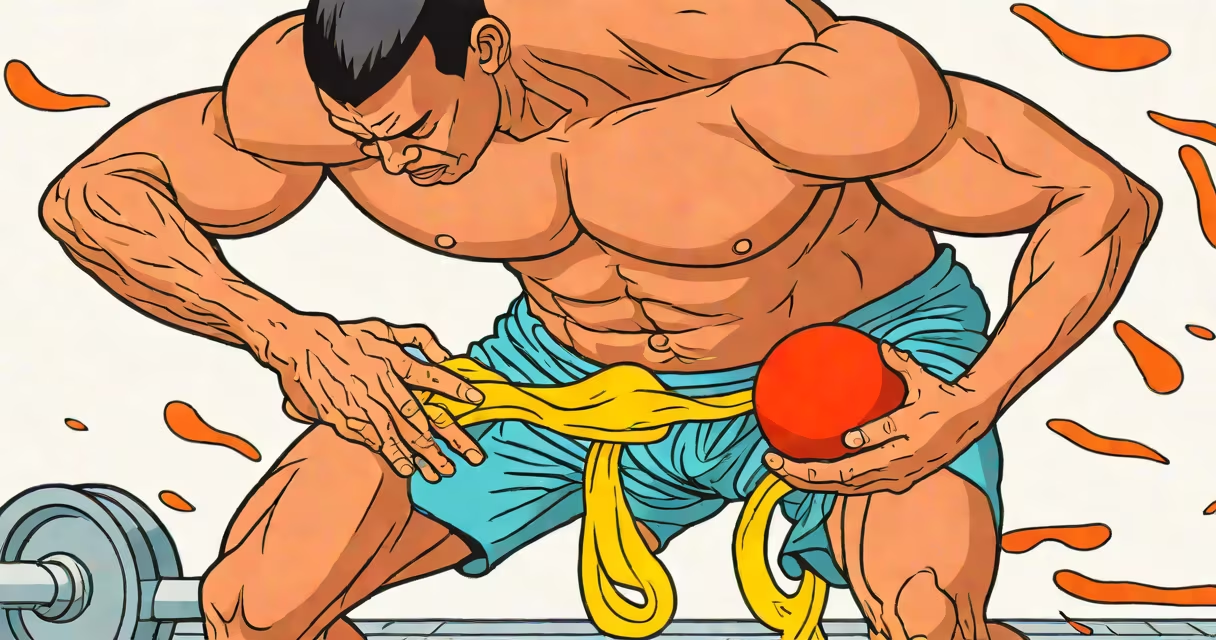
Muscle cramps diarrhea refers to sudden muscle contractions accompanied by loose stools, often caused by dehydration or electrolyte imbalances. This combination typically results from gastrointestinal infections, food intolerances, or certain medications.
When your body loses fluids rapidly through diarrhea, it also loses essential electrolytes like sodium, potassium, and magnesium. These minerals help your muscles function properly. Without them, muscles may involuntarily contract, causing cramps. The cramps often occur in the legs, abdomen, or back.
The most common causes include:
Many people assume muscle cramps diarrhea always stems from dehydration. While dehydration is a major factor, other causes exist. For instance, chronic conditions like irritable bowel syndrome (IBS) or inflammatory bowel disease (IBD) can also produce these symptoms without severe fluid loss.
Another myth is that muscle cramps only affect athletes. In reality, anyone can experience them, especially during illness. I once had a client who developed severe leg cramps alongside diarrhea after a mild case of food poisoning. She wasn't an athlete but experienced intense cramping due to electrolyte loss.
Contact a healthcare provider if:
According to the Mayo Clinic, prolonged diarrhea can lead to serious complications if left untreated. Severe cases may require hospitalization for IV fluids and electrolytes.
To prevent muscle cramps diarrhea:
For immediate relief, try gentle stretching, massage, or warm baths for cramps. For diarrhea, the BRAT diet (bananas, rice, applesauce, toast) can help firm up stools. Over-the-counter oral rehydration solutions like Pedialyte can restore lost electrolytes.