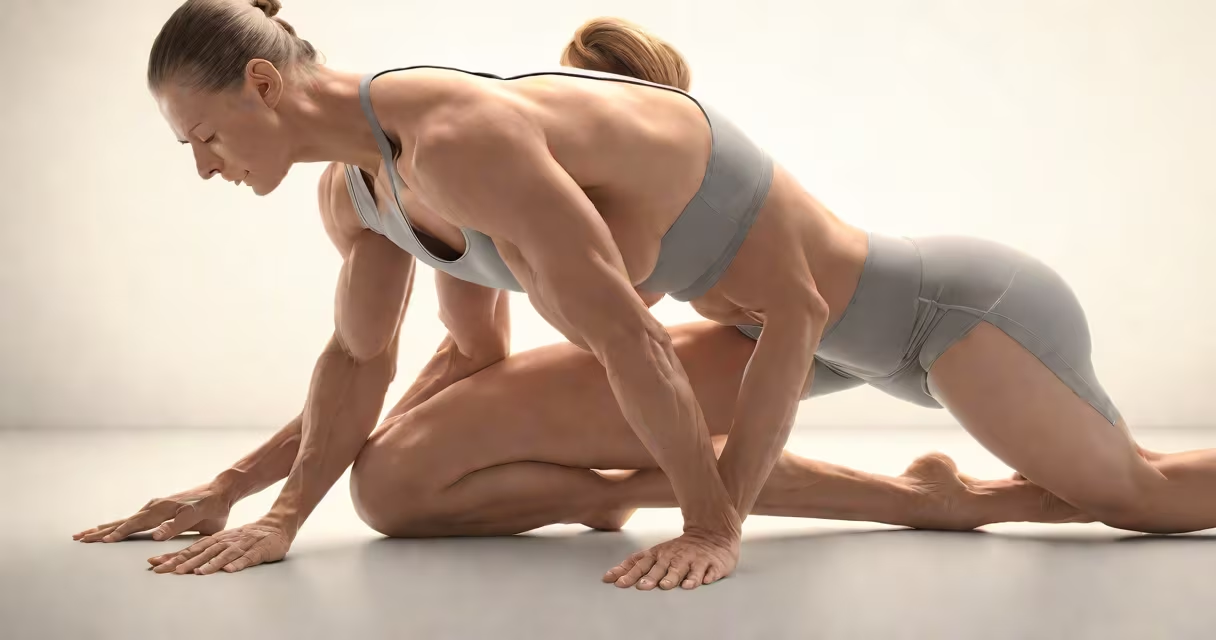
Muscle pain exercise refers to discomfort or soreness in muscles after physical activity, typically caused by microscopic damage to muscle fibers during exertion. This pain often occurs 24-72 hours post-workout and is most common after intense or unfamiliar exercises.
When you engage in strenuous physical activity, your muscles undergo stress, leading to tiny tears in the muscle fibers. Your body repairs these tears, which can result in inflammation and soreness. This process is part of muscle adaptation and growth but can cause temporary discomfort.
There are two primary types of muscle pain associated with exercise:
Muscle pain exercise is common among athletes, fitness enthusiasts, and anyone engaging in new or intense physical activities. It is a normal part of muscle adaptation but can be managed to reduce discomfort.
Many people confuse muscle pain exercise with injury. While muscle soreness is normal, severe or persistent pain could indicate an injury. It's essential to differentiate between typical muscle soreness and potential injuries requiring medical attention.
To manage muscle pain exercise, focus on gentle stretching, hydration, and adequate rest. Light exercise, such as walking or swimming, can improve blood flow and aid recovery. Over-the-counter pain relievers can also provide temporary relief.
Contrary to popular belief, stretching before exercise does not prevent DOMS. Research shows that eccentric exercises, where muscles lengthen under tension, are more likely to cause DOMS than concentric exercises, where muscles shorten.
After a rigorous leg day at the gym, you might experience flexor muscle pain in your thighs. This discomfort typically peaks 48 hours post-workout and can last up to 72 hours. To alleviate the pain, try foam rolling, light stretching, and staying hydrated. If the pain persists beyond 72 hours or is accompanied by swelling or bruising, consult a healthcare provider.
During my first marathon training season, I experienced severe DOMS in my calves and thighs. I found that gentle yoga sessions and proper hydration reduced the discomfort and aided recovery. Understanding the cause and managing it effectively helped me continue my training without prolonged setbacks.