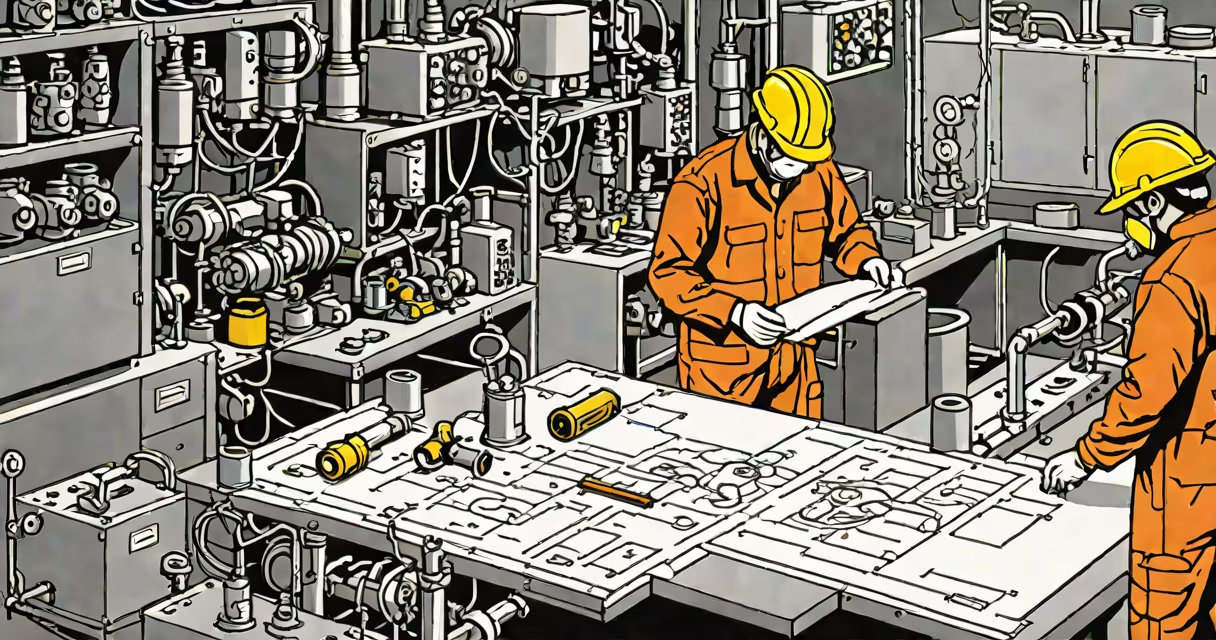
Normas de seguridad e higiene are legally mandated guidelines that protect workers' health and safety while preventing contamination in workplaces like factories, restaurants, and hospitals. These norms cover everything from personal protective equipment (PPE) to sanitation procedures.
These regulations function through a combination of government enforcement, employer responsibilities, and worker training. For example, in Mexico, the Secretaría del Trabajo y Previsión Social inspects workplaces to ensure compliance with federal labor laws, including normas de seguridad e higiene.
Employers must provide PPE such as hard hats, gloves, and safety goggles. Workers receive training on proper usage. Sanitation norms require regular cleaning schedules and proper waste disposal methods. Violations can result in fines or shutdowns.
The norms fall into several categories:
| Category | Examples |
|---|---|
| Personal Protective Equipment | Hard hats, safety goggles, gloves, respirators |
| Sanitation | Regular cleaning, waste disposal, handwashing stations |
| Ergonomics | Proper workstation setup, lifting techniques |
| Emergency Preparedness | Fire extinguishers, evacuation plans, first aid kits |
These norms apply across industries but are especially critical in high-risk environments. A restaurant must follow food safety norms to prevent contamination, while a construction site enforces equipment safety norms to prevent accidents.
According to the International Labour Organization, over 3 million workers die annually from occupational accidents or diseases, highlighting the importance of these regulations.
Many people confuse normas de seguridad e higiene with general health guidelines. Unlike voluntary health tips, these norms are legally enforceable. For instance, a restaurant might voluntarily train staff on food handling, but it must legally comply with government-mandated sanitation norms.
Another mistake is assuming these norms only apply to hazardous jobs. Even office workers must follow ergonomic norms to prevent repetitive strain injuries.
During an inspection of a Mexican manufacturing plant, authorities noted improper storage of chemicals. The plant was fined and ordered to install proper ventilation systems and storage containers. This enforcement directly resulted from non-compliance with normas de seguridad e higiene.
Understanding these norms helps businesses avoid penalties and creates safer work environments. For more on regulatory standards, see this guide.