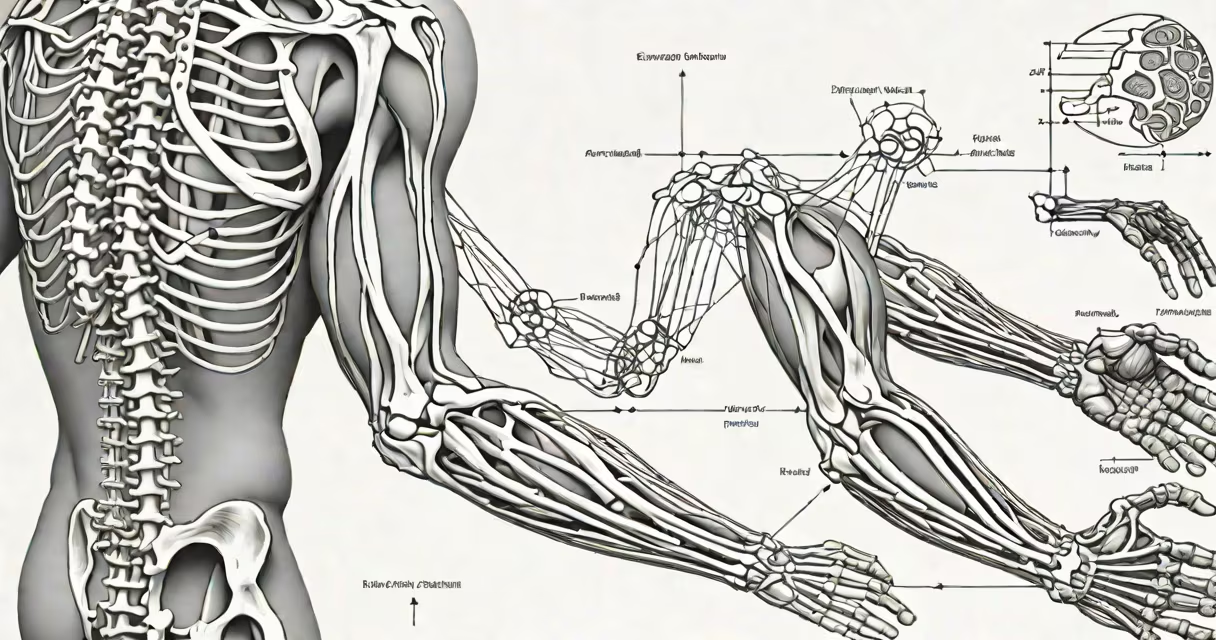
Pain in bones after exercise typically results from muscle strain, tendon inflammation, or joint stress-not actual bone damage. This discomfort often stems from overexertion, poor form, or insufficient recovery.
When you exercise intensely or try new movements, microscopic tears occur in muscles and connective tissues. These microtears trigger inflammation and soreness, which can radiate to nearby bones. The pain usually peaks 24-72 hours post-workout, a condition known as delayed onset muscle soreness (DOMS).
The most common causes include:
While mild soreness is normal, severe or persistent pain may indicate a problem. See a doctor if you experience:
These symptoms could signal stress fractures, tendonitis, or other injuries requiring medical attention.
Many people confuse bone pain with muscle soreness. Unlike DOMS, which feels dull and achy, bone pain is often sharp and localized. For example, shin splints-a common overuse injury-cause pain along the tibia (shinbone) due to muscle and tendon strain, not actual bone damage.
To ease discomfort and prevent future issues:
Gradually increase exercise intensity to avoid overexertion. If pain persists, consult a healthcare professional.