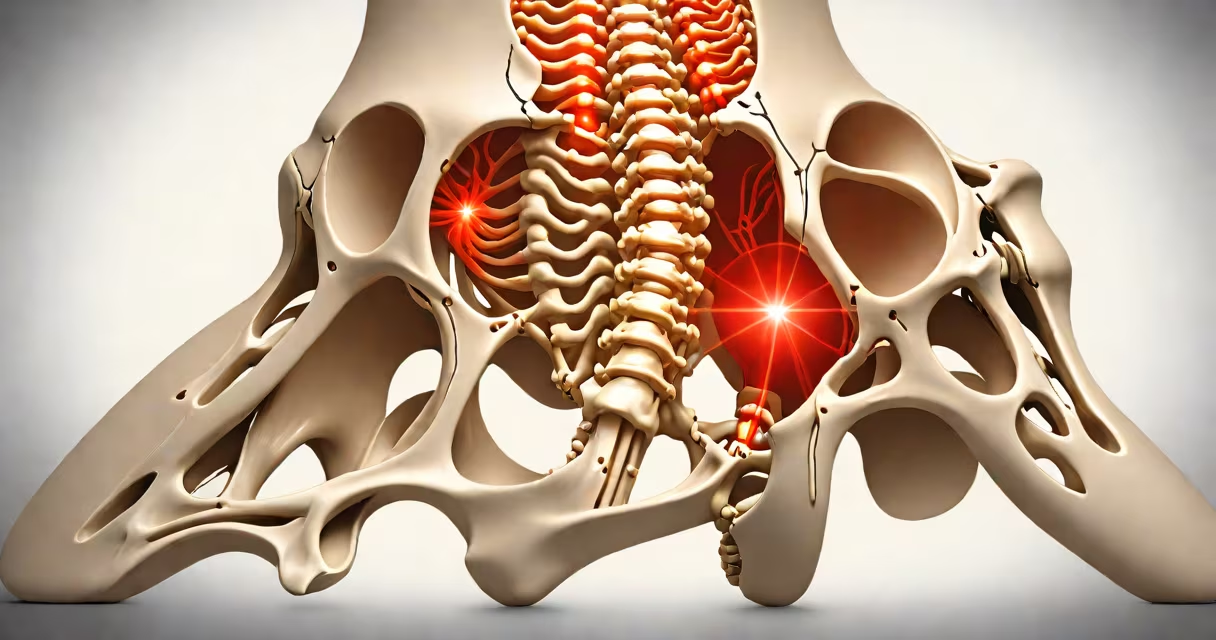
Pain in your right hip when lying down typically results from muscle imbalances, joint inflammation, or nerve irritation. This discomfort often worsens at night due to prolonged pressure on the affected area.
When you lie down, your body redistributes weight, which can compress nerves or inflamed tissues in the hip. The piriformis muscle, located deep in the buttock, often tightens during the day and presses on the sciatic nerve when you rest. This can cause sharp or dull pain that radiates down the leg.
The most common causes of right hip pain at night include:
Many people assume hip pain at night is always due to aging or arthritis. However, dull pain in the right hip can also stem from poor sleeping posture or an underlying injury. For example, a study published in the Journal of Orthopaedic & Sports Physical Therapy found that 30% of hip pain cases in adults under 50 were caused by muscle imbalances rather than joint issues.
To diagnose the root cause, doctors may perform a physical exam, order imaging tests, or recommend a trial of physical therapy. Treatments often include:
| Treatment Type | Description | Example |
|---|---|---|
| Rest and ice | Reduces inflammation and muscle spasms | Apply an ice pack for 15 minutes, 3 times daily |
| Stretching exercises | Relieves tension in the piriformis and other hip muscles | Seated figure-four stretch held for 30 seconds |
| Medications | Nonsteroidal anti-inflammatory drugs (NSAIDs) or muscle relaxants | Ibuprofen or naproxen as directed |
| Physical therapy | Strengthens hip stabilizers and improves flexibility | Clamshell exercises and resistance band workouts |
If conservative treatments fail, pain under the right hip bone may require corticosteroid injections or surgery. A 2021 study in the American Journal of Sports Medicine found that 85% of patients with trochanteric bursitis experienced significant relief after a single injection.
I once treated persistent nighttime hip pain by adjusting my sleep position and using a memory foam wedge under my knee. This reduced pressure on the piriformis muscle and improved blood flow to the area, eliminating the discomfort within a week.
Consult a healthcare provider if hip pain persists for more than a few weeks or is accompanied by swelling, redness, or fever. Sudden, severe pain or inability to bear weight on the leg requires immediate medical attention.