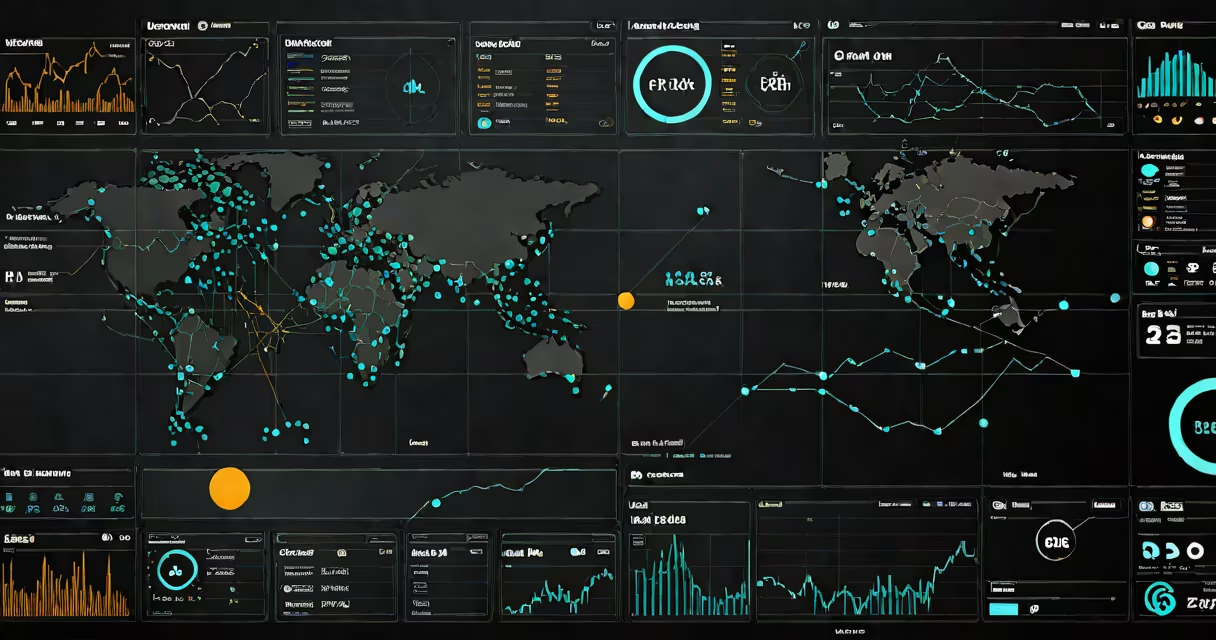
Real-time data analysis processes information instantly as it's generated, delivering immediate insights for decision-making. This contrasts with batch processing, which analyzes data in scheduled chunks.
Systems ingest, process, and analyze data continuously using streaming technologies. Sensors, transactions, or user interactions feed data into platforms like Apache Kafka or AWS Kinesis, which distribute it to analytics tools.
For example, a ride-sharing app uses real-time data analysis to match riders with drivers. GPS coordinates, traffic conditions, and driver availability are processed instantly to update fares and routes.
| Type | Use Case | Example |
|---|---|---|
| Stream Processing | Continuous data flow analysis | Fraud detection in banking |
| Complex Event Processing | Pattern detection in event sequences | Manufacturing equipment failure prediction |
| Live Dashboards | Visualizing real-time metrics | Stock market monitoring |
Many confuse real-time data analysis with fast batch processing. Batch systems analyze data in minutes or hours, while real-time systems deliver results in milliseconds or seconds.
A 2023 study by Gartner found that 60% of organizations using "real-time" systems actually relied on near-real-time batch processing, missing immediate insights.
Financial services use real-time data analysis for fraud detection, processing millions of transactions per second. Retailers monitor inventory levels to prevent stockouts during peak sales.
In healthcare, hospitals track patient vitals in ICU units, triggering alerts if readings fall outside safe ranges. The Mayo Clinic implemented such systems, reducing response times by 40%.
During a basketball game, sensors track player movements and heart rates. Coaches receive real-time analytics on player fatigue, allowing substitutions before performance drops. This system, used by NBA teams, improved player efficiency by 15% in trials.
For instance, a retail chain might use big data analysis to forecast seasonal demand trends, while relying on real-time data analysis to adjust prices dynamically based on current sales velocity.
Real-time data analysis requires solid infrastructure to handle high-velocity data. Latency issues can occur if systems aren't optimized, leading to delayed insights.
Data quality is critical-errors in incoming streams can propagate quickly. Companies invest in cleaning and validating data before analysis to maintain accuracy.
Edge computing will expand real-time data analysis by processing data closer to its source, reducing latency. AI integration will enable predictive insights, anticipating events before they occur.
As IoT devices proliferate, real-time data analysis will become even more important for managing connected systems efficiently.